The system is processing. Please wait a moment!


- Home Top 10 Glass Elevator Models Glass Elevator with a capacity of 450kg
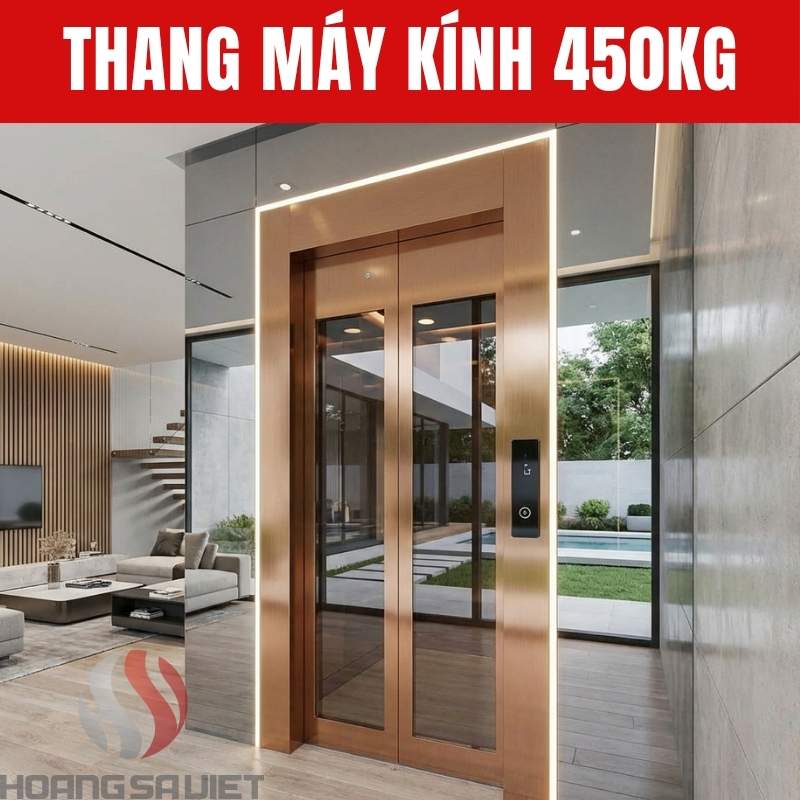
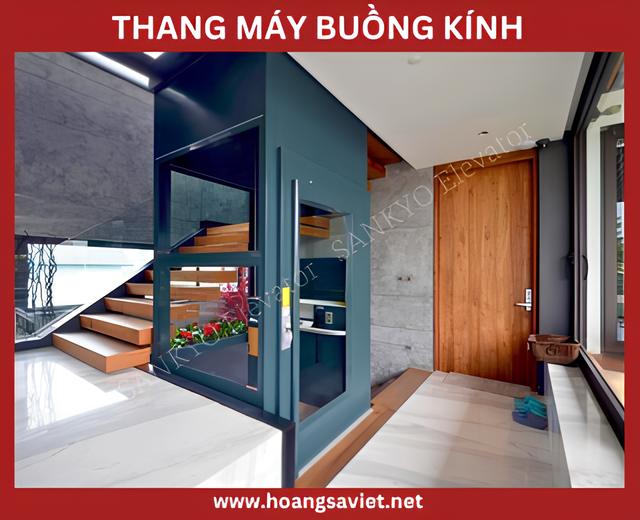
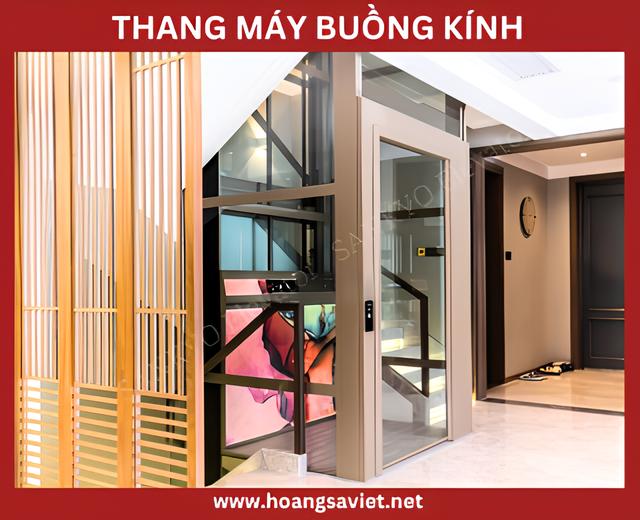
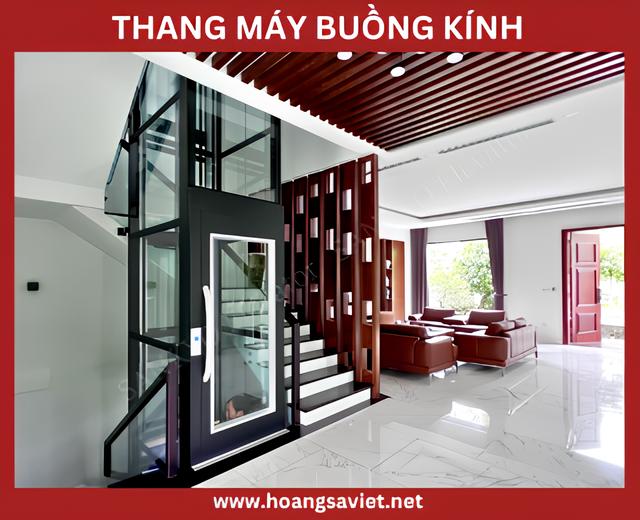
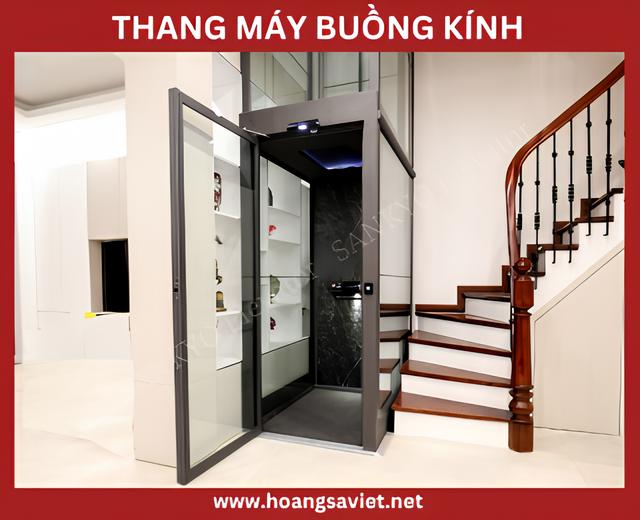
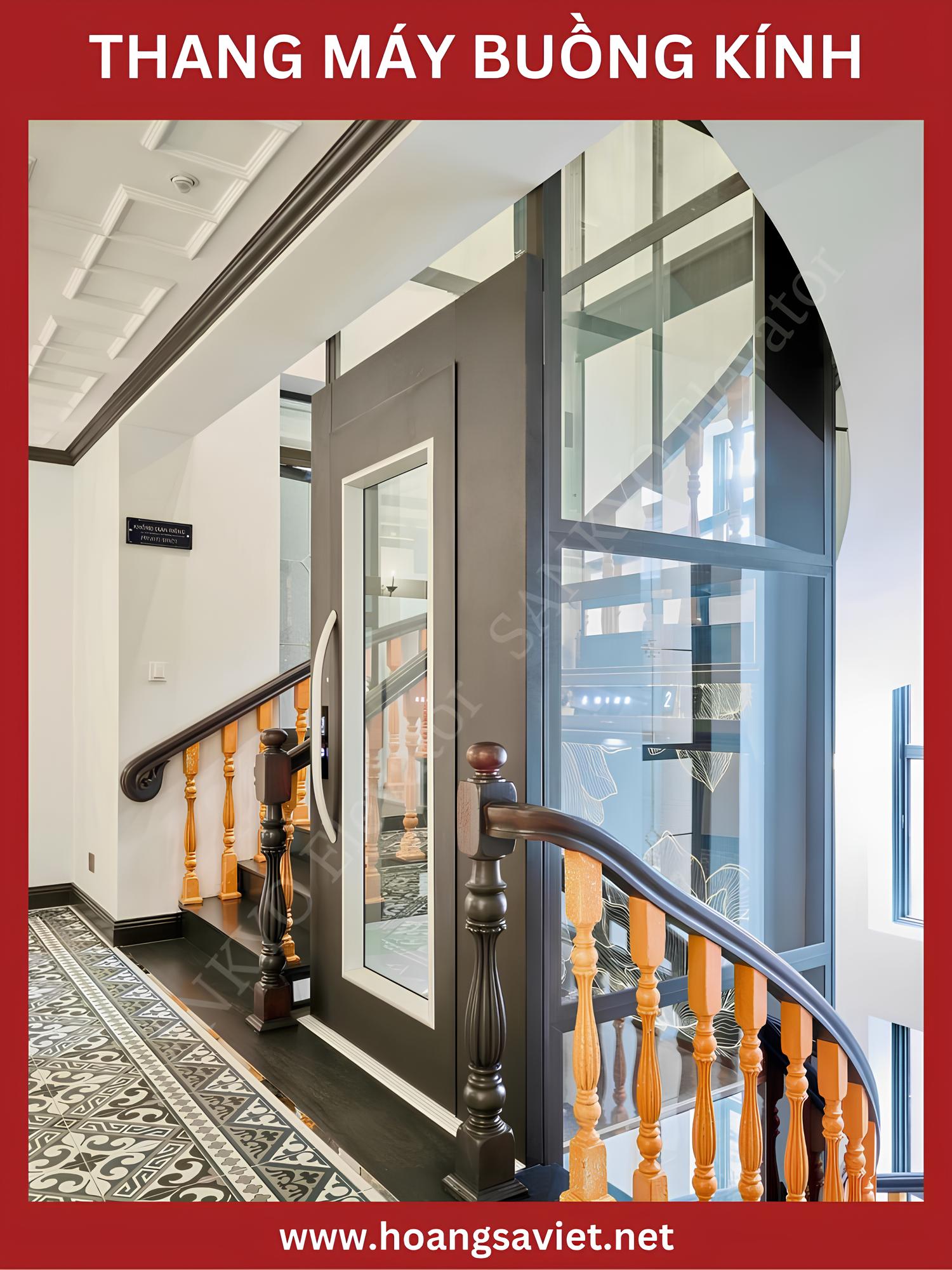
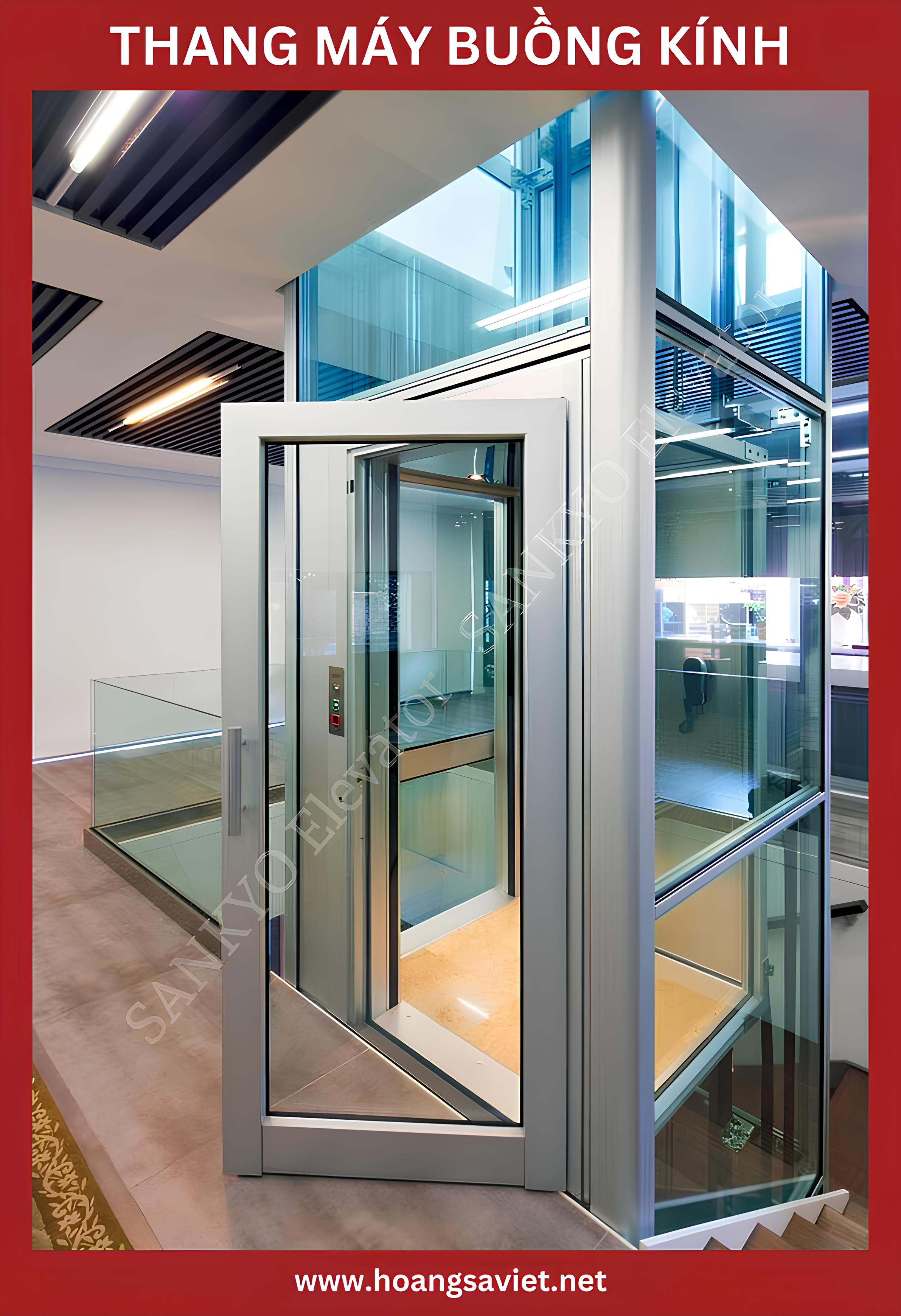
Glass Elevator with a capacity of 450kg
Glass Elevator with a capacity of 450kg
| Load Capacity: | 450 KG |
| Speed: | 1 meter/second |
| Number of Floors: | 3 - 6 |
| Material: | Aluminum Alloy + Glass |
| Power Source: | 220V - 1 phase |
| Classify: | Joint venture elevators |
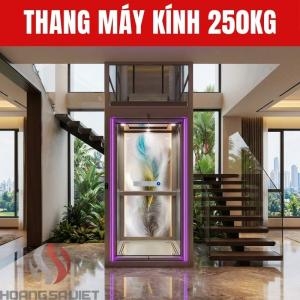
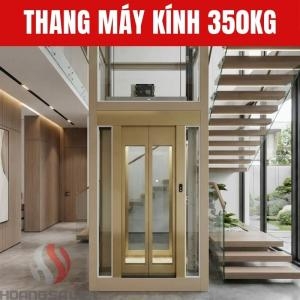
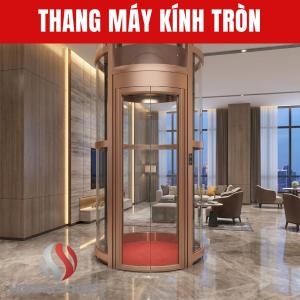
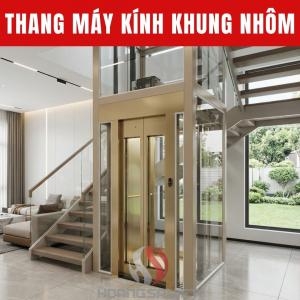
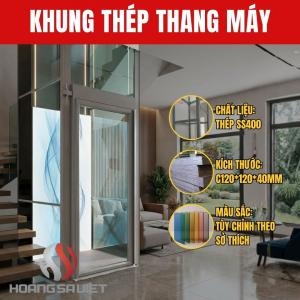
Table of Contents
- What is a 450kg Glass Elevator? What dimensions are needed for installing this type of elevator?
- Structure of a 450kg Glass Elevator. What Motor is Suitable?
- What are the different types of 450kg glass elevators? How to easily distinguish them for beginners.
- Suggested Installation Locations for a 450kg Glass Elevator to Optimize Family Space
- Installation Process for a 450KG Glass Elevator (THANGMAYNIDEC)
- Get a quote for a 450kg capacity glass home elevator. Get a detailed quote now.
Instead of struggling with steep and narrow staircases, many Vietnamese families are now opting to install 450kg glass elevators in their homes for greater convenience.
For families needing to transport 5-6 people at a time, especially those with many members, elderly parents, or young children, this would be a worthwhile investment to consider.
What is a 450kg Glass Elevator? What dimensions are needed for installing this type of elevator?
The 450kg glass elevator is a product in the currently very popular line of home elevators . The biggest difference between a glass elevator and conventional elevators is its construction with high-grade tempered glass partitions combined with a durable metal frame.
Instead of requiring excessive space for constructing thick and rigid concrete elevator shafts, glass elevators utilize the thin, lightweight, and durable properties of the partitions to optimize cabin space. As a result, the house not only becomes more airy and brighter but also boasts a luxurious and sophisticated aesthetic.
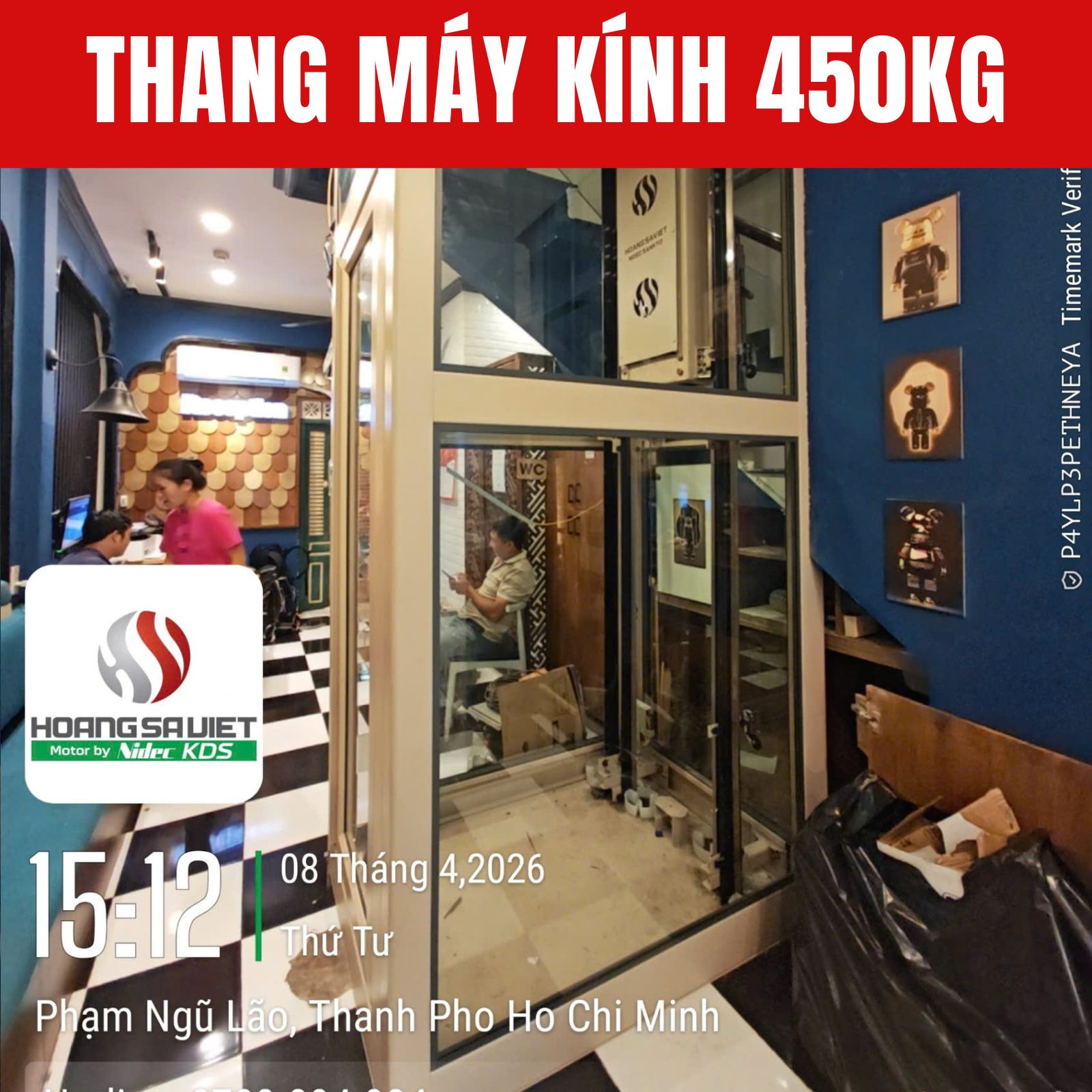
Required Dimensions for Installing a 450kg Family Glass Elevator
Not every building is suitable for installing a 450kg glass elevator. There are important considerations you need to carefully consider before deciding to install one. Below is a table of required dimensions for your reference.
REFERENCE TABLE OF SPECIFICATIONS FOR GLASS ELEVATOR MODELS
|
Load |
Number of people traveling/per trip |
Minimum elevator shaft |
Pit |
minimum OH |
Reference price |
|
200kg |
2-3 people |
900 x 1000mm |
100mm |
2600mm |
270 - 390 million |
|
250kg |
3-4 people |
1100 x 1200mm |
150mm |
2700mm |
320 - 480 million |
|
350kg |
4-5 people |
1350 x 1400mm |
300mm |
3000mm |
380 - 560 million |
|
450kg |
5-6 people |
1500 x 1600mm |
350mm |
3200mm |
400 - 700 million |
* Pricing information may change over time; please contact THANGMAYNIDEC's customer service team for the latest updates.
How much pit space is needed for this type of elevator?
For newly built houses: Prioritize digging a deep pit, which helps the elevator operate more smoothly and makes maintenance and repairs easier later on.
Pitless/shallow pit solution: For home renovations where you don't want to touch the underlying floor structure, pitless or shallow pit solutions (from 60mm) are recommended.
What are the differences between pitless elevators and elevators with pits?
In terms of functionality, elevators without pits or with shallow pits still provide all the necessary features; the only difference is that the cabin floor will protrude slightly above the floor instead of being recessed like elevators with deep pits.
Structure of a 450kg Glass Elevator. What Motor is Suitable?
A 450kg glass-walled elevator is composed of many different parts, the main components of which include: the motor and drive system, the frame, the glass walls, the cabin, and accompanying equipment.
Engine Systems and Drivetrain Technology:
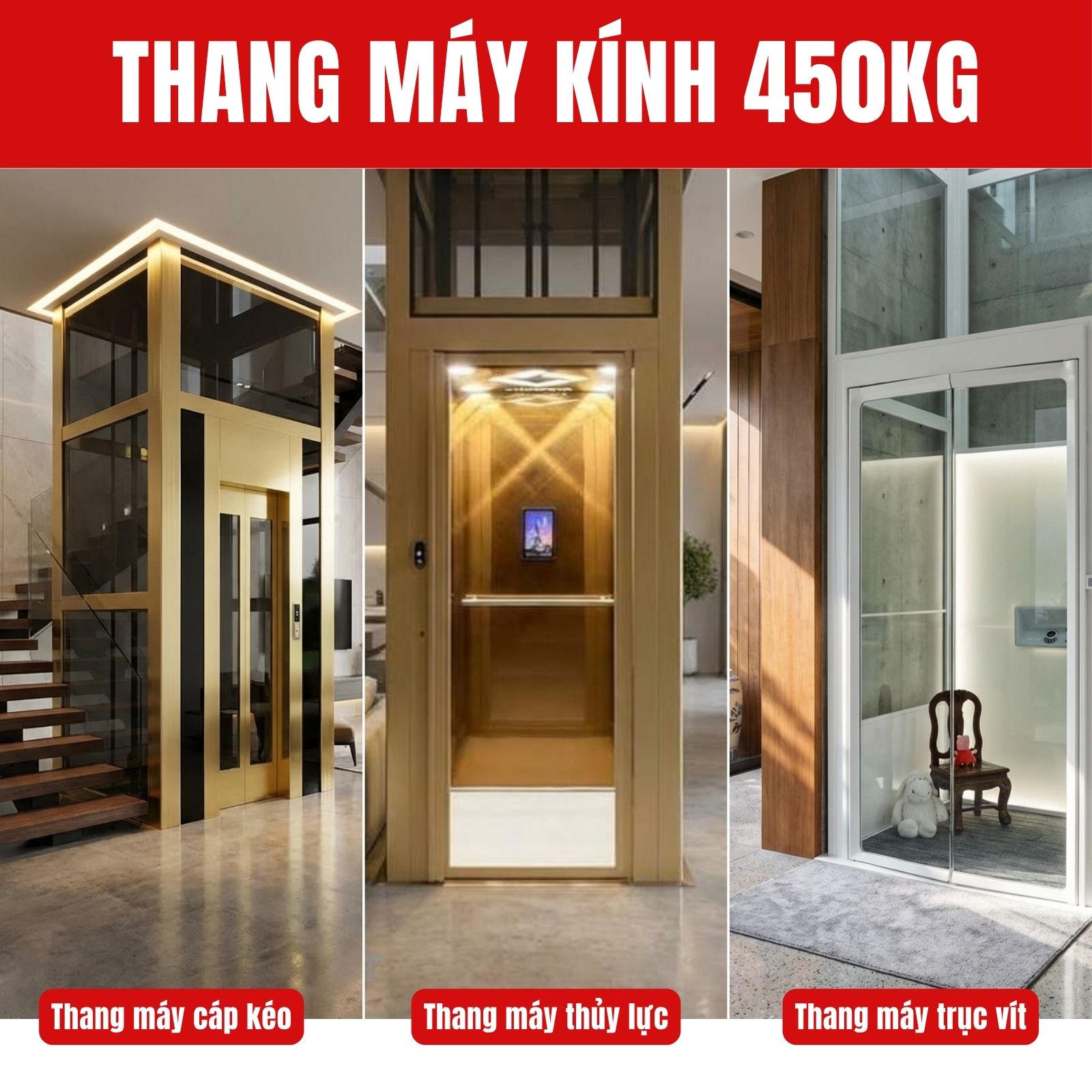
Currently, home elevators typically use three main types of motor technology: cable-driven, hydraulic, and screw-driven. So, what are the advantages and disadvantages of these three types of motors, and which one should you choose for the elevator you are considering? Below, the THANGMAYNIDEC technical team will provide answers to give you the most comprehensive and objective view.
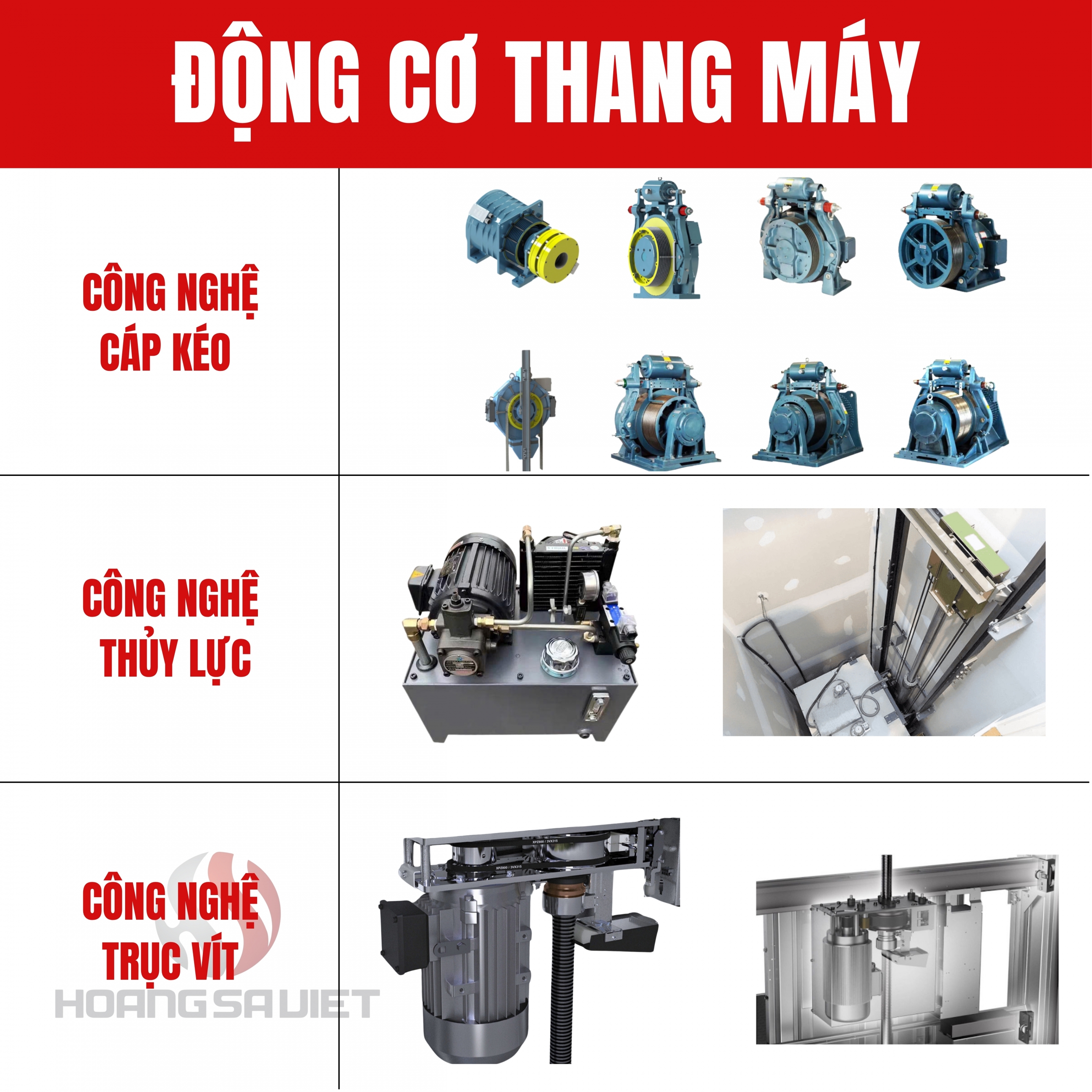
Cable Traction Technology - The Cheapest and Most Popular Motor on the Market
As its name suggests, the motor operates on the pulley principle, relying on a cable and counterweight. For the 450kg glass-walled elevator series , we use gearless motors from the Nidec brand (Japan). THANGMAYNIDEC is proud to be a reputable importer of genuine cable traction motors from the Nidec KDS corporation.
Operating principle: The cabin is raised and lowered using a system of ultra-durable steel cables via a drive pulley. Counterweights reduce the pulling force on the motor, thereby minimizing power consumption.
Advantage:
- Affordable and accessible: Because it's the most common motor used for home elevators, the price of this type of motor is also more affordable than other types of motors with the same load capacity.
- Smooth operation: Moves smoothly without generating unpleasant noise.
- High speed: Reduces waiting time and movement between floors, resulting in high transport efficiency. Average travel speed is 0.5-1 m/s.
- Energy saving: Inverter and counterweight technology helps reduce energy consumption by up to 40%.
- Reasonable cost: Installation costs and maintenance/replacement of components are cheaper than other proprietary technologies.
- Outstanding durability: Stable mechanical construction, long engine lifespan, and minimal minor malfunctions.
- No height limit: Works well for all number of floors in townhouses and villas without travel restrictions.
- Space optimization: Compact motor, installed directly in the elevator shaft (MRL), no need to build a machine room above.
Hydraulic Technology
Hydraulic elevators are a powerful mobility solution that operates using fluid pressure to propel the cabin along a vertical axis.
Operating principle: The elevator operates using a hydraulic pump system that pushes oil into a cylinder. The oil pressure creates the force to push the piston, lifting the cabin upwards. When descending, the control valve system gradually releases the oil back into the reservoir, allowing the cabin to descend by gravity.
Advantage:
- Saves space on the top floor: No need to build a machine room or a high attic above (low overhead).
- Smooth descent: By utilizing gravity, the descent process is very smooth.
Disadvantages:
- The noisiest: This is the noisiest of the three types mentioned. The machine room containing the oil tank must be placed near the elevator shaft, taking up space and causing noise to reverberate into the living area.
- Height limit: Maximum of 4 floors can be served due to piston length limitations.
- Risk of oil leaks: Oil leaks can be unsightly.
- Operating costs: It consumes more electricity when going uphill, and the cost of regular oil changes is quite high.
Screw technology
Screw-driven elevators are a type of elevator that uses a drive system through the connection between a screw shaft and a nut to transport the elevator cabin up and down.
Operating principle: An electric motor rotates a nut around a vertical screw shaft fixed in the elevator shaft. As the nut rotates, it moves along the helical grooves of the screw shaft, thereby propelling the elevator cabin (or platform) up or down along a predetermined path.
Advantage:
- Space saving: No pit is needed, or only a very shallow pit (a few centimeters) is required, and no large overhead space is needed.
- Imported goods: Diverse models, luxurious designs.
Disadvantages:
- Extremely high cost: Installation and equipment costs are the most expensive among home elevator models. (Average price ranges from 800 million to over 1 billion VND per elevator)
- Slow speed: Moves significantly slower than cable-driven systems, resulting in wasted time during use.
- Average noise level: During operation, the friction between the nut and the screw creates a characteristic mechanical squeak.
- The technology was not widespread: Replacement parts were difficult to find, there was dependence on exclusive suppliers, and maintenance costs were very expensive.
- Travel restrictions: Suitable only for low-rise buildings (typically under 4-5 stories).
What material should be used for a 450kg glass elevator frame? Is aluminum or steel the more suitable choice?
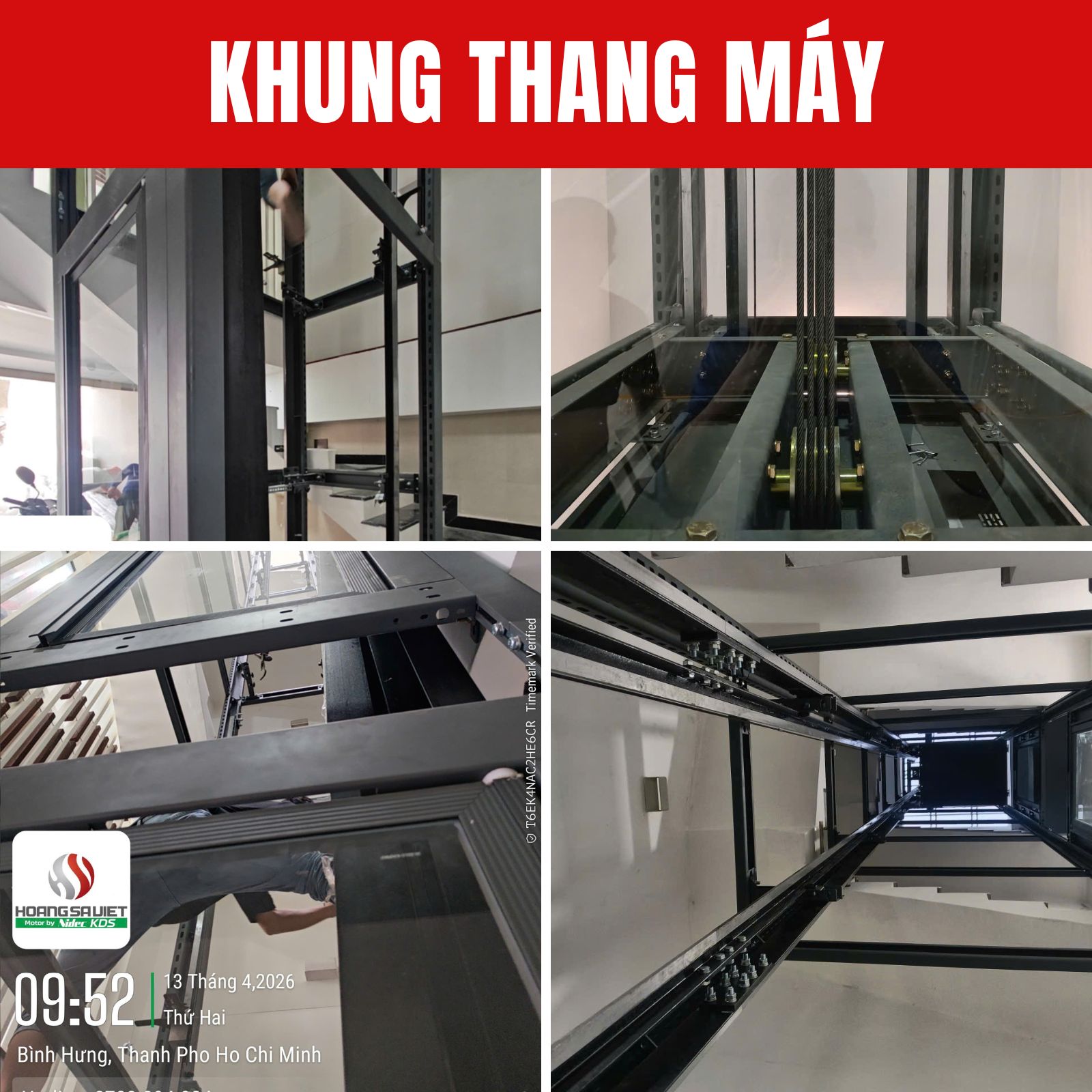
The most noticeable difference between glass elevators and conventional elevators lies in the frame and partitions. The two most common materials currently used are extruded aluminum and powder-coated steel, each with its own characteristics to suit different budgets and aesthetic needs.
Elevator Frame Material
The extruded aluminum frame maintains its polished appearance over time without worrying about rust or surface peeling, making it suitable for Vietnam's hot and humid climate. This is an ideal choice if you prioritize long-term aesthetics and minimal surface maintenance.
The painted steel frame has good rigidity, and the surface is coated with Jotun electrostatic paint for corrosion resistance. It costs approximately 25% less than a full aluminum frame. However, after prolonged use in high-humidity areas, some rust may appear on the edges or at scratched spots. This does not affect the product quality but only slightly diminishes the elevator's original appearance.
To strike a balance between aesthetics and cost, THANGMAYNIDEC proposes a combined solution: the front of the cabin uses extruded aluminum, preserving the long-lasting beauty of the most visible part. The remaining three sides use Jotun-painted steel to optimize overall costs.
This option saves you 18.75% compared to a full aluminum cabin, while maintaining the luxurious appearance of the original design for a long time.
The cost information provided is for reference only; please contact us for an accurate quote tailored to your specific project.
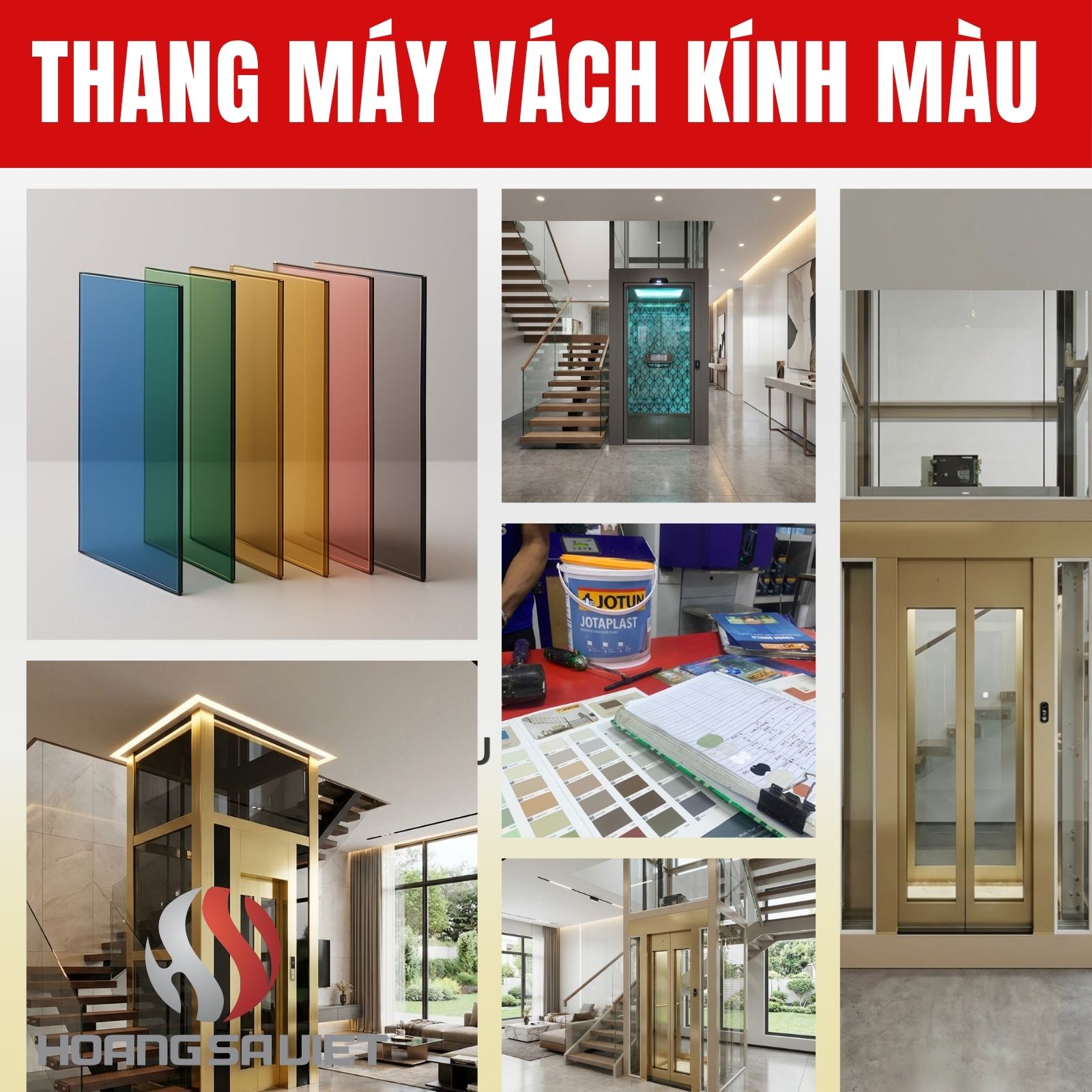
Elevator Frame Colors
The elevator frame isn't limited to a single color; you can completely customize it to match your overall interior design. THANGMAYNIDEC offers a cabin frame color change service for only 3 million VND per elevator , applicable to both aluminum and steel.
Glass for Elevators, Free Design to Match Family Preferences
Two key factors to consider when it comes to elevator glass are material and color. The material lets users know what they are paying for, and the color lets them know what they want to pay for.
Glass material
All glass used in elevators must be safety tempered glass conforming to EN 81-20 standards.
Single-layer tempered glass: 8-10 mm thick, heat-treated to increase its hardness by 4-5 times compared to regular glass. When broken, it shatters into small, rounded fragments, preventing serious injury. This is the most common type, offering reasonable cost and high transparency.
Laminated safety glass: consists of two layers of glass with a PVB film sandwiched in between. Upon strong impact, the glass fragments remain firmly attached to the PVB film instead of falling to the ground. Suitable for outdoor glass elevators or locations exposed to significant external impacts.
Glass Colors Used in Elevators
The color of the glass greatly influences the overall beauty of a house. If you are still undecided, please refer to the leading elevator glass color schemes that are most trusted by customers at THANGMAYNIDEC :
Ultra-clear white elevator glass
- Features: This type of glass has absolute transparency and does not have the bluish tint of ordinary glass. When standing inside the elevator looking out, the view is completely clear and unobstructed by any color cast.
- Application: The perfect choice for modern townhouses that appreciate simplicity. Particularly suitable for locations where natural light is needed to brighten the spaces on all floors.
Tea-colored elevator glass
- Features: With its warm, golden-brown tones, the tea color helps filter out harsh light, creating a sense of privacy and intimacy for those inside.
- Applications: Extremely harmonious with spaces featuring natural wood furniture, gold-veined granite, or elegant neoclassical-style homes.
Smoke-gray elevator glass
- Characteristics: This is a neutral color that easily complements most other building materials. Smoky gray is considered the safest choice for any construction project.
- Applications: Suitable for all architectural styles. During the day, the glass ensures sufficient light, and at night, when combined with lighting, it creates a very eye-catching depth effect.
Turquoise glass elevator
- Characteristics: This color tone provides a soothing, cool, and vibrant feel. Turquoise helps to make the space feel lighter and more harmonious.
- Application : Ideal for homes with open designs, lots of greenery, or located near gardens or courtyards.
Smoked black elevator glass
- Features : The smoky black color creates a strong and powerful aesthetic impression. The glass surface reflects the light, creating a magnificent visual effect, transforming the elevator into an artistic focal point of the house.
- Application: Specifically for homeowners with strong personalities or for luxurious, high-end projects.
- Note: Because this color scheme is quite dark, please carefully consider your lighting system to ensure the best user experience.
What are the different types of 450kg glass elevators? How to easily distinguish them for beginners.
Currently, the market offers a wide variety of glass cabin elevators. To choose a glass cabin elevator that suits your lifestyle and the space where it will be installed, customers need to carefully consider the different types of glass cabin elevators to select the most suitable one.
Classification of 450kg Glass Elevators by Door Opening Method
Based on how they open, doors can be divided into two different types: hinged doors and sliding doors.
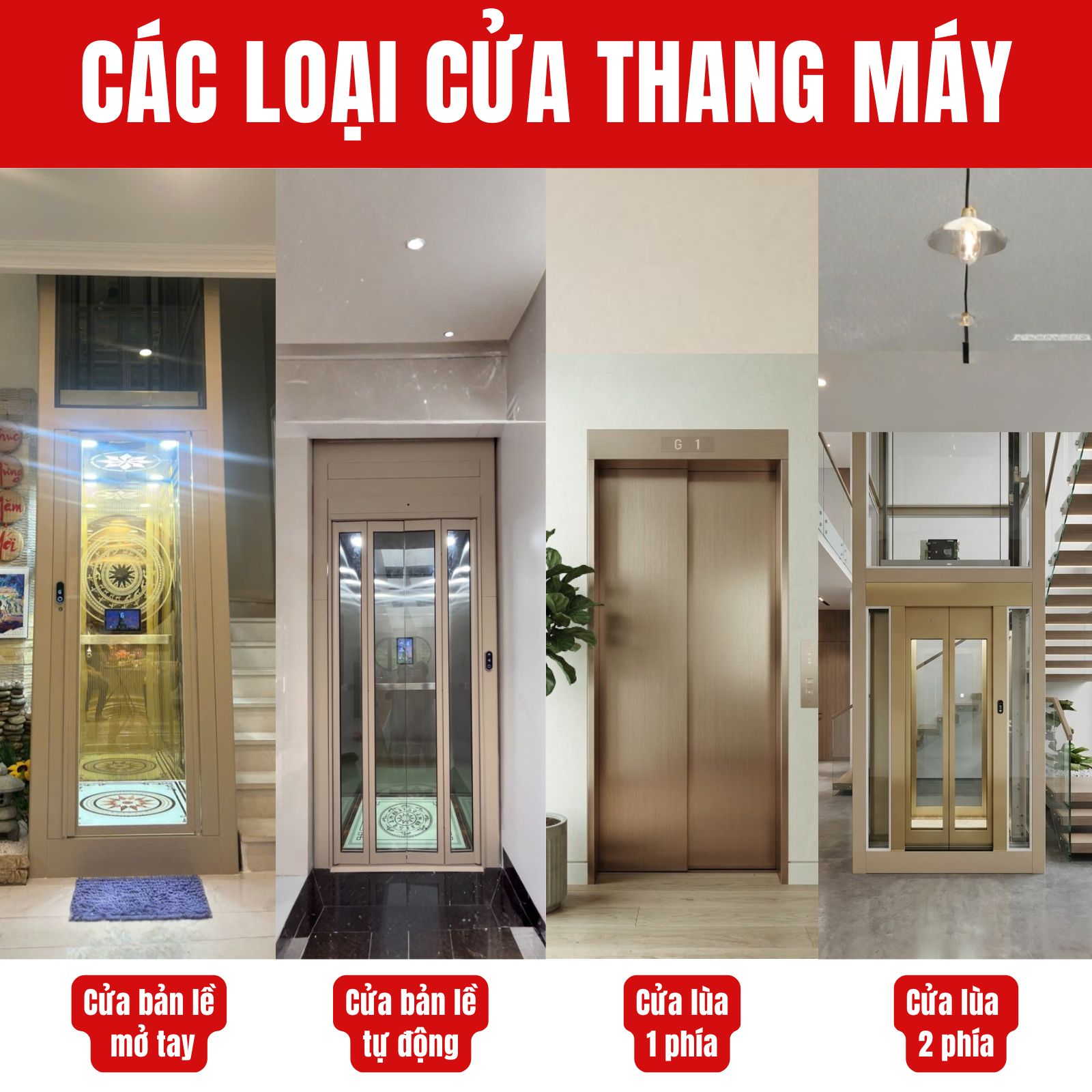
Hinged Door Elevators:
Hinged doors are divided into two sub-types: manually hinged doors and automatically hinged doors.
- Manual hinged doors: The operating principle is the same as a normal room door at home. You simply open the door when entering, and it will automatically close thanks to the hydraulic elbow. The cabin only opens the door on the floor it reaches; all other floors are locked. This ensures user safety. Suitable for homes with limited space.
- Automatic hinged doors: When the elevator reaches the designated floor, the doors will automatically open outwards, eliminating the need for manual opening. They have a luxurious and attractive appearance. They are suitable for homes with limited space but still want automatic doors. However, the cost for this model is quite high: an additional 20 million VND per stop, significantly increasing the overall cost.
Expert tips from THANGMAYNIDEC:
"If you still want a luxurious automatic door but want to keep the cost down, you can try combining a hinged automatic door on the ground floor and manual doors on the upper floors. The house will be both beautiful and luxurious, with only a 20 million VND difference in cost."
Automatic Sliding Door Elevators:
Sliding doors are also divided into two subtypes: single-sided sliding doors and double-sided sliding doors.
- Single-sided sliding door: When the cabin arrives, the door will automatically slide fully in from the left (or right) side to the other side.
- Double-sided sliding doors: Similar to single-sided sliding doors, double-sided sliding doors differ in that they open from the center and slide neatly into the walls on either side.
Sliding doors aren't suitable for every home, as they inherently require space on the side for entry. You should consider this option if your house doesn't have enough space.
Understanding customer psychology, THANGMAYNIDEC still has a solution to address this issue. You can choose to install a four-panel sliding door. The door will still slide from the center to the sides, but it will fold neatly, saving space on the sides. You can see the image below for a better understanding.
.jpg "Automatic 4-door sliding elevator")
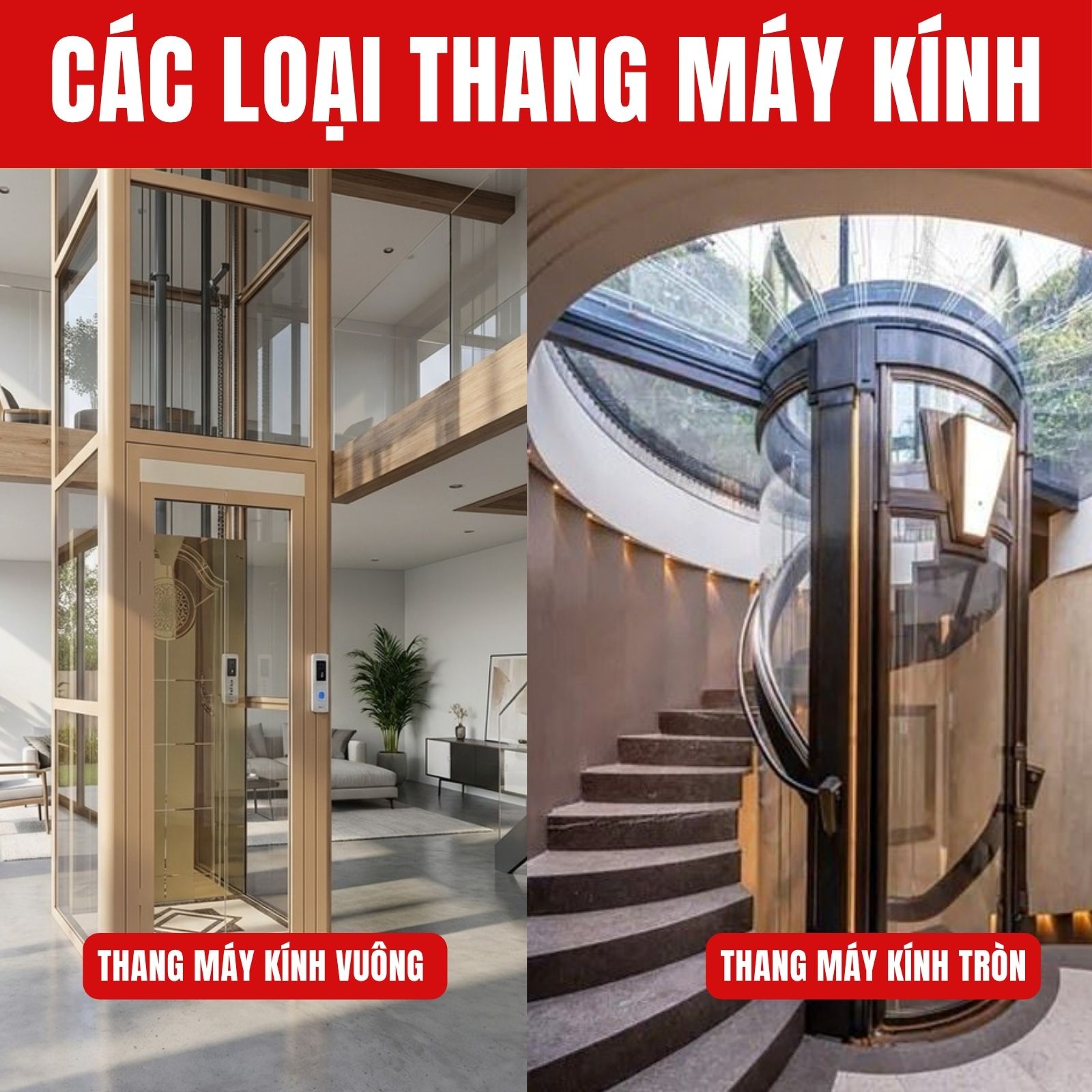
Distinguishing Glass Elevators Based on Shape
Modern glass cabin elevators are designed in a variety of styles, with the two most popular and preferred types being square or rectangular glass cabin elevators. These designs often convey a sense of grandeur and are suitable for spacious areas requiring high flexibility in interior design.
In addition, other designs include circular glass elevator cabins and semicircular glass elevator cabins. Both of these designs offer a unique and sophisticated look, creating a striking aesthetic focal point for living spaces.
Suggested Installation Locations for a 450kg Glass Elevator to Optimize Family Space
After selecting the technical solution, determining the elevator's location is the next crucial factor to ensure both aesthetics and functionality. With over 15 years of experience in consulting and construction, NIDEC Elevators suggests the most common and effective installation locations for 450kg glass elevators:
Installing indoor glass elevators.
This is the top priority option for creating a distinctive interior design and facilitating daily movement.
Installed inside the stairwell (in the middle of the stairs):
- Advantages: This is the most common location. It makes the most of the empty space between the staircases, saving considerable floor space. With its compact design, a glass elevator only requires a minimum distance of 1 meter between the two sides for complete installation.
- Efficiency: This layout helps to narrow the elevator lobby space, creating a unified and modern architectural design.
Install it next to the staircase:
- Advantages : This option allows the use of existing walls as elevator shaft walls, while the remaining sides are fitted with glass to create ventilation.
- Effectiveness : Although it requires a slightly larger floor area, this method helps preserve the original beauty of the staircase, especially artistic details such as wooden handrails, decorative stone, or stair tread patterns.
Installed under the skylight area:
- Advantages: Suitable for spacious villas or townhouses. Placing the elevator in a central location not only enhances the luxurious beauty of the glass elevator but also maximizes the use of natural light.
- Effectiveness: Creates flexibility in movement from many different directions within the house, transforming the elevator into a "work of art" that spans multiple floors.
Installing outdoor glass elevators
This option is often used for renovation projects or when homeowners want to experience panoramic views.
- Applicable situations: When the interior space of the house is too limited, lacking sufficient room for an elevator shaft, or when the homeowner wants to install a large glass-enclosed elevator to enjoy the view outside.
- Effectiveness: Installing the elevator shaft outdoors provides a unique aesthetic to the house's facade, ensuring that the interior space remains completely unaffected by the construction.
Advice from NIDEC Elevators:
"Depending on the specific design of each house, our technical team will conduct a direct survey to propose an installation plan that ensures both technical safety and elevates the sophistication of your living space."
Installation Process for a 450KG Glass Elevator at THANGMAYNIDEC
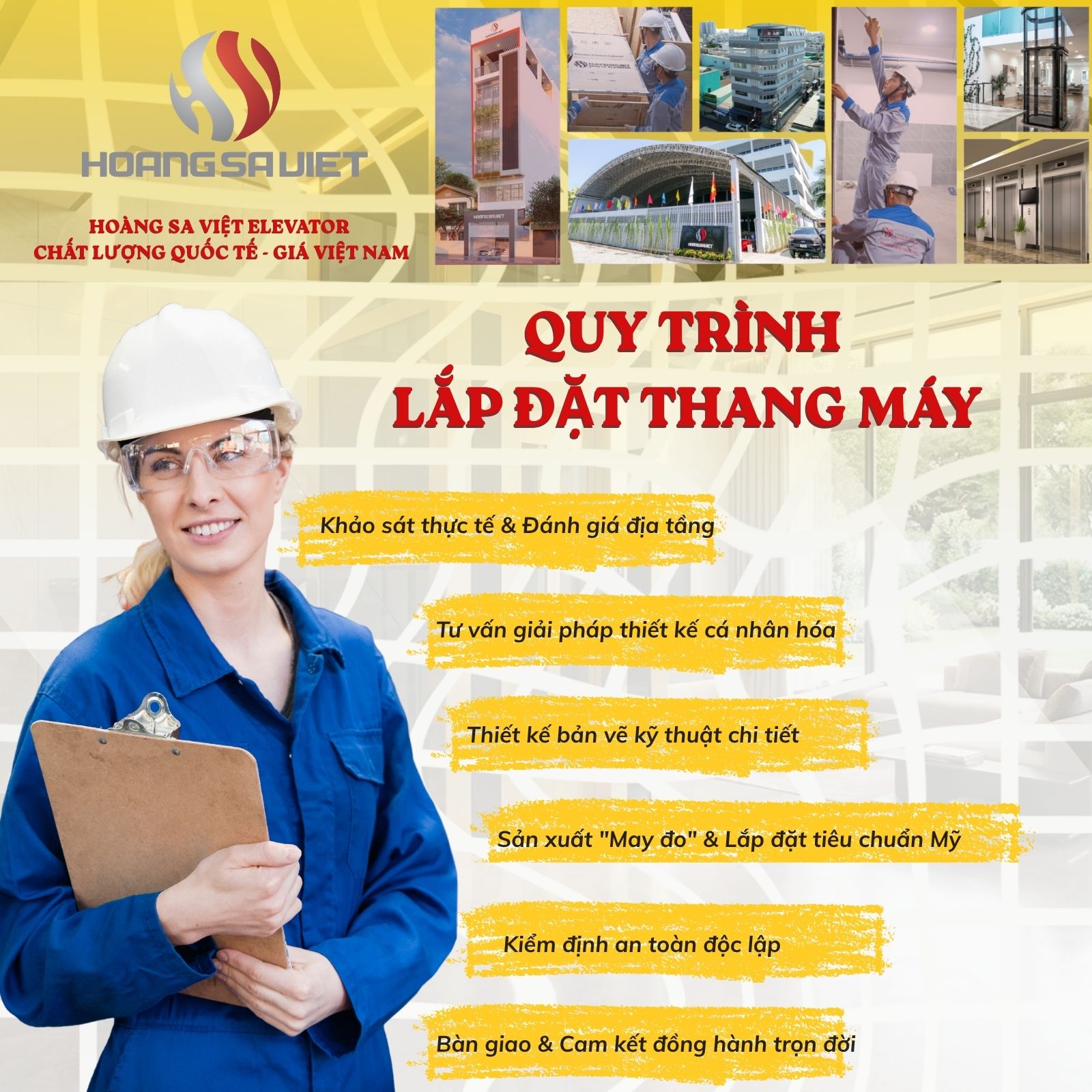
Similar to installing home elevators, cargo elevators, etc., the installation process for glass-enclosed elevators will include the following steps:
Step 1: Structural Survey (Free): A technician will visit your home to take measurements, determine the location, and confirm whether floor cutting is necessary within 24 hours.
Step 2: Design & Contract Signing: Create 3D drawings, finalize colors and materials.
Step 3 : Construction of the stairwell (if needed): Masons proceed with cutting and shaping the staircase or excavating the floor (this takes about 2-3 days, covered with plastic sheeting to prevent dust).
Step 4: Factory Production (15-20 days): The steel frame and cabin are fabricated and finished at the THANGMAYNIDEC factory simultaneously with the elevator shaft renovation at your house.
Step 5: Home Assembly (Only 3-5 days): Gather materials, assemble the frame, and install the motor. The process is smooth and efficient.
Step 6: Inspection & Handover: An independent state agency conducts safety measurements and issues an inspection certificate. Instructions for use are provided to the family.
Get a quote for a 450kg capacity glass home elevator. Get a detailed quote now.
Understanding that customers want to know the price of the elevator they need before making a purchase, THANGMAYNIDEC has developed a highly accurate automatic price quotation tool. You can use it to estimate and plan your budget.
If you're unsure how to use the tool, you can watch the tutorial video here:
Are you interested in installing a 450kg glass elevator in your home? Contact NIDEC Elevators today for detailed advice.
Contact Information
THANGMAYNIDEC, a subsidiary of HSV Group and the exclusive distributor of elevators, is trusted and chosen by many users for elevator installation.
To live up to our customers' trust, we always strive to find top-rated and reputable distributors in the market, ensuring products have clear origins and genuine warranties. This helps customers feel more secure throughout the product's lifespan.
HOANG SA VIET INVESTMENT AND DEVELOPMENT COMPANY LIMITED
-
Address: 184/20A Le Dinh Can Street, Tan Tao Ward, Ho Chi Minh City
-
Hotline: 0707.025.789
-
Email: nidec@hoangsaviet.com
-
Website: thangmaynidec.vn
-
Working hours: 8:00 AM - 5:00 PM daily
PRICE SUCCESSFUL!
PRICE UNSUCCESSFUL!

Chi phí tiền điện cho thang máy kính 450kg mỗi tháng bao nhiêu?
Mức độ tiêu thụ điện năng còn tùy thuộc vào nhiều yếu tố bên trong thang máy như: công nghệ, trọng tải, tần suất sử dụng thang máy và giá điện tại địa phương để tính toán chi phí tiền điện.
Tuy nhiên, anh/chị có thể tham khảo mức giá dưới đây:
- Đối với gia đình ít người: dao động từ 200,000 VNĐ - 300,000 VNĐ/ Tháng
- Đối với gia đình nhiều người: dao động từ 300,000 VNĐ - 500,000 VNĐ/ Tháng
Bao Lâu Thì Cần Bảo Trì Thang Máy?
Việc bảo trì thang máy thường xuyên sẽ đảm bảo mức độ an toàn cũng như tuổi thọ của chiếc thang máy. Khi khách hàng lắp đặt thang máy tại Thang Máy Nidec, phía đội ngũ kỹ thuật sẽ xuyên suốt bảo trì/ bảo dưỡng liên tục với tần suất 2 tháng/lần. Giúp cho thang máy hoạt động trơn tru và an toàn
Thang Máy Kính 450KG Có Cần Hố Pit Không?
Đối với nhà cải tạo: Nếu ngại đập kết cấu sàn, anh chị có thể sử dụng dòng không hố pit hoặc hố pit nông, bên dưới thang máy vẫn có đệm cao su để giảm chấn, đảm bảo an toàn
Đối với nhà xây mới: Trong trường hợp nhà chưa xây hoặc đang xây, nên đào hố pit sâu để có không gian đặt các lò xo giảm chấn cũng như thuận tiện hơn cho việc bảo trì bảo dưỡng sau này
Hotline 0707.025.789
hungpham@hoangsaviet.com
OFFICE ADDRESS
- Headquarters:184/20 Le Đinh Can Street,Tan Tao Ward, Binh Tan District , HCM City
- Ha Noi branch: Đ. Giap Hai, Khoan Te, Gia Lam, Ha Noi
- Hung Yen branch: EcoPark Urban Area, Hung Yen
- Phu Quoc branch: ĐT45, Duong Đong, Phu Quoc
- Long An branch: Viettruss Aluminum - Ben Luc, Long An
- Factory: E5/13 Thich Thien Hoa, Le Minh Xuan, Binh Chanh, HCM City
BANK ACCOUNT
- THANGMAYNIDEC COMPANY
- Account number: 134053669
- Bank: ACB
- Branch: Bình Trị Đông, Bình Tân

CONTACT INFO
- Hotline: 0707.025.789
- Email:hungpham@hoangsaviet.com
- Website: https://thangmaynidec.vn/en
- Tax Code: 0310779837
- Business Registration No.: 0310779837, issued by Ho Chi Minh City Department of Planning and Investment on 15/04/2011

© Copyright 2026. Copyright belong to THANGMAYNIDEC Elevator
bên bạn bán cả sản phẩm của Cibes à, cho mình xin giá