The system is processing. Please wait a moment!


- Home MINI ELEVATORS - SMALL-SIZED ELEVATORS Mitsubishi Mini Elevator
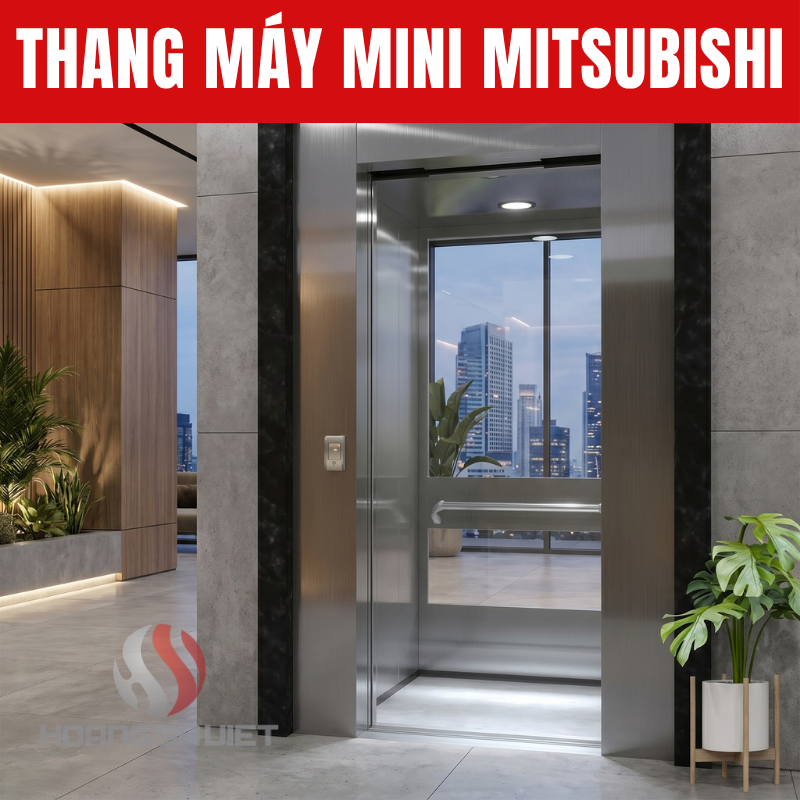
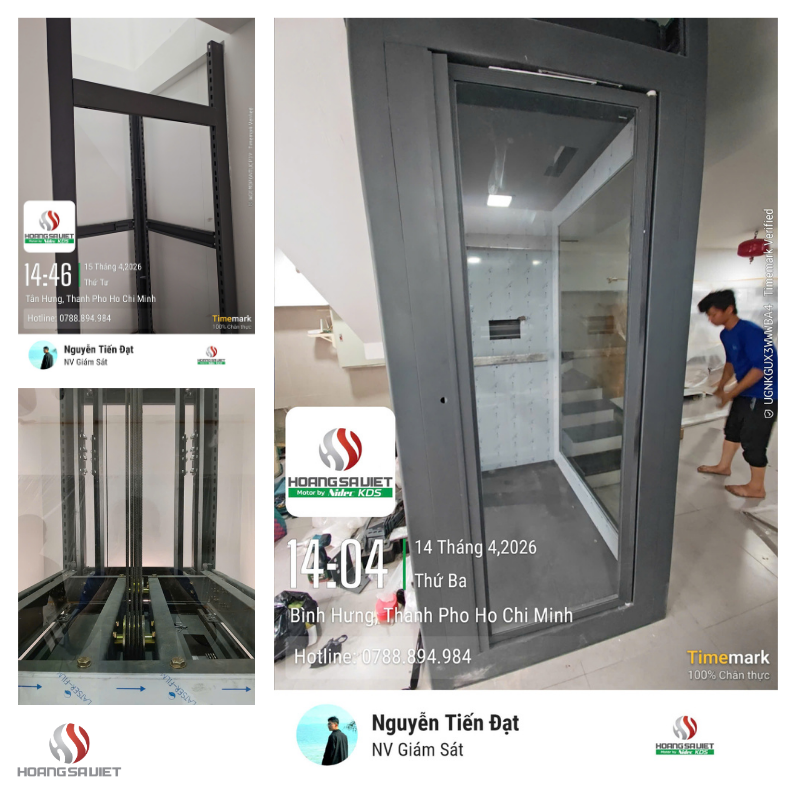
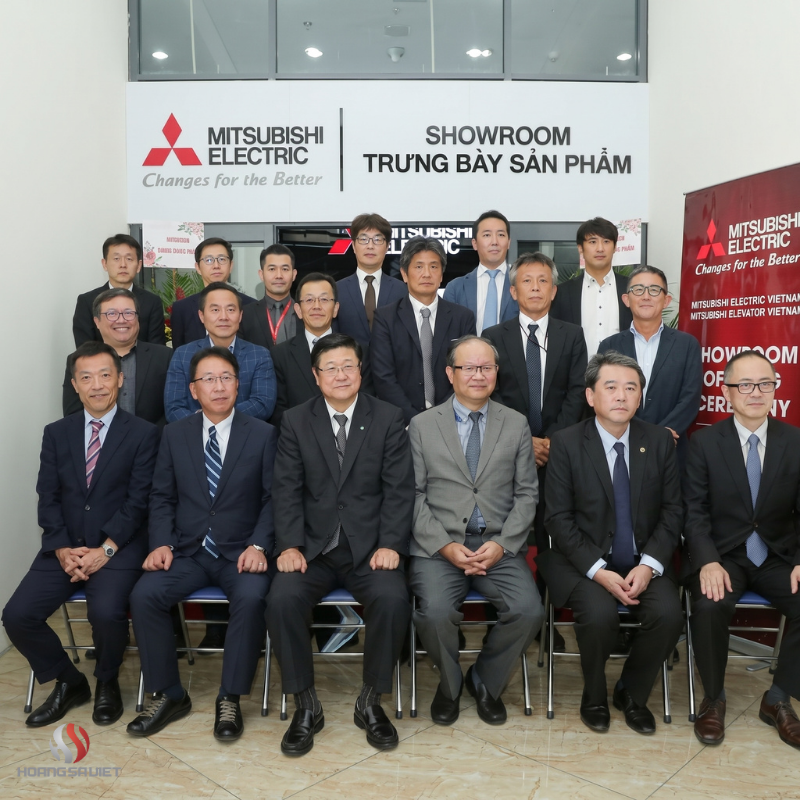
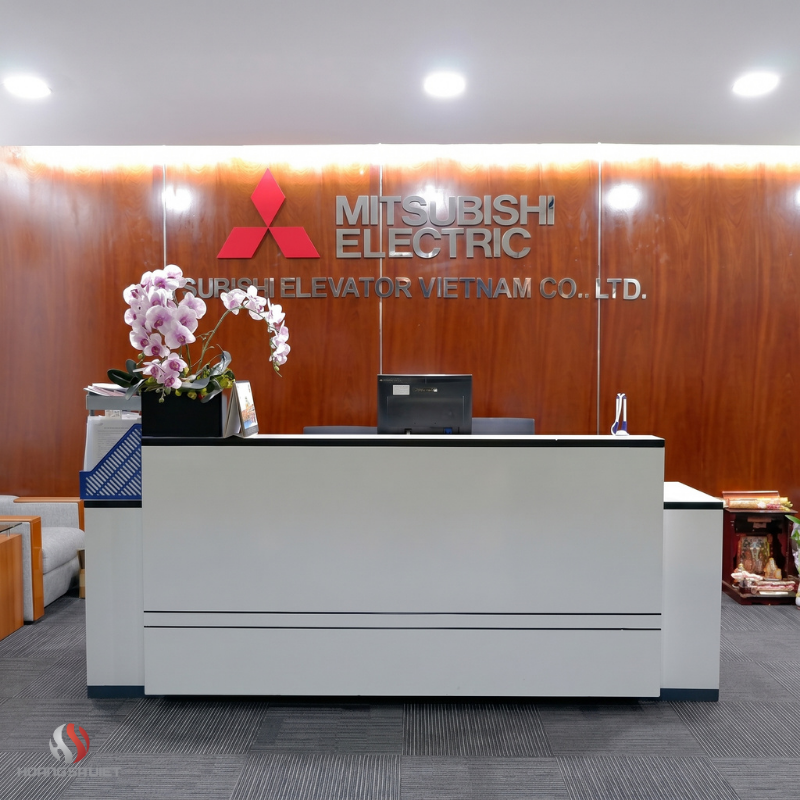
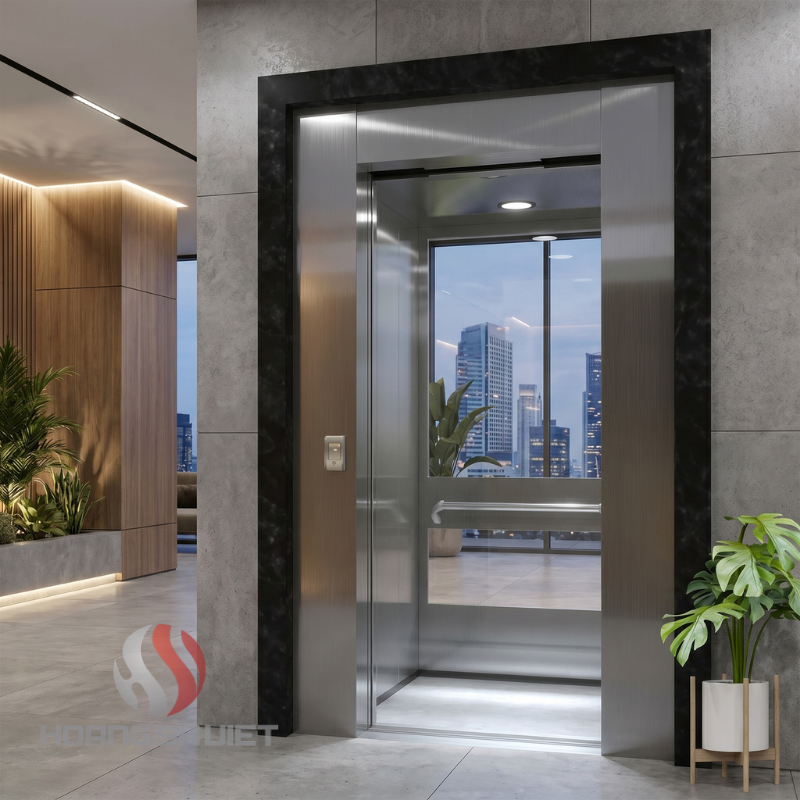
Mitsubishi Mini Elevator
Mitsubishi Mini Elevator
| Load Capacity: | From 630kg |
| Speed: | 30 - 60 m/min ~ 0.5 - 1.0 m/s |
| Deep Pit | From 1.5m |
| Number of Floors: | Stop |
| Small Staircase | 1800*1800mm |
| Large Stairwell | 2200*2200mm |
| Frame & Wall | Steel & Aluminum/Glass |
| Power Source: | 3F/380V |
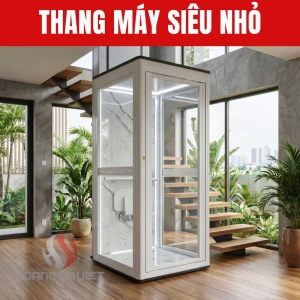
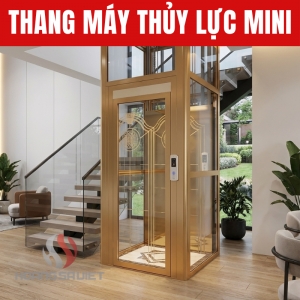
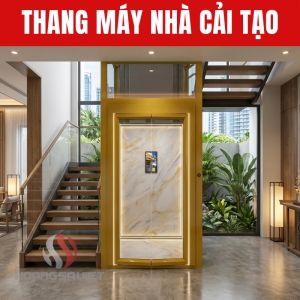
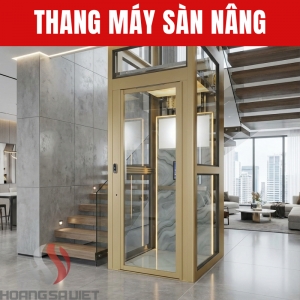
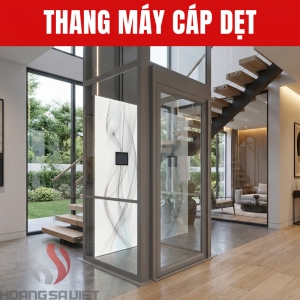
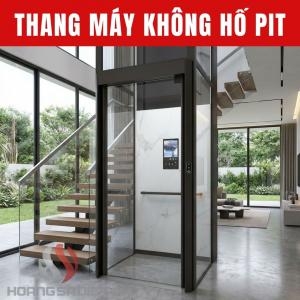
TABLE OF CONTENTS
- Mitsubishi Mini Elevators: Little-Known Facts and How to Choose the Right One for Your Family Home in 2026
- Why are buyers easily confused when they hear the term "Mitsubishi mini elevator"?
- The truth about Mitsubishi and the elevator industry in Vietnam.
- A practical solution for 3-6 story family homes.
- Who should and shouldn't buy Mitsubishi elevators?
- Frequently Asked Questions
- In conclusion
Last week, I received three consecutive calls from customers who had placed deposits for "Mitsubishi mini elevators" for their 4-5 story houses, all with the same concern: they read online that Mitsubishi doesn't make residential elevators, and wondered if the supplier they were ordering from was genuine. The answer isn't simply a "yes" or "no." Mitsubishi operates in Vietnam through two very different legal channels, and the market also has many counterfeit products using the brand name to inflate prices. This article will clearly dissect each aspect, without generalizing about any particular brand, so that you can make an informed decision based on your budget and the specifics of your home. Before delving deeper, you can take a look at the various mini elevator models commonly chosen by Vietnamese families for comparison.
Why are buyers easily confused when they hear the term "Mitsubishi mini elevator"?
Mitsubishi is a name synonymous with durability, Japanese technology, and peace of mind. For first-time elevator buyers, hearing "Mitsubishi" immediately brings to mind safety. This is entirely justified, as Mitsubishi Electric has over 90 years of experience in elevator manufacturing, operating in more than 90 countries and installing elevators in iconic buildings worldwide. This trust is well-deserved.
The problem is that brand trust doesn't automatically translate into product quality in every case. I've encountered three recurring scenarios.
A customer in Binh Duong placed a 100 million VND deposit for a "5-story Mitsubishi family elevator" priced at 580 million VND. Upon checking the motor, the logo had the word Mitsubishi, but no model number matched the Mitsubishi Elevator Vietnam catalog. Calling the official hotline, he was informed that this product was not in their system.
A customer in Da Nang bought a "Mitsubishi joint venture elevator" for 450 million VND, but the motor broke down after 3 years. The original seller no longer provided support, and when she called Mitsubishi Elevator Vietnam, she was told that this was not a product they distributed and therefore could not be covered under warranty.
A family in Hanoi signed a contract for a "Mitsubishi mini elevator with Japanese technology" for their four-story house, but upon checking the official catalog, they found no models under 630kg suitable for residential use.
These stories aren't meant to condemn anyone. They illustrate a market reality: the gap between the brand name and the actual product delivered to the construction site can sometimes be vast. The first step to protecting yourself is to understand what Mitsubishi is doing, what it isn't doing, and who is officially authorized to distribute their products in Vietnam.
The truth about Mitsubishi and the elevator industry in Vietnam.
Two main branches of Mitsubishi coexist.
Currently, there are two Mitsubishi-branded elevator companies in Vietnam, both legally operating and affiliated with the parent company in Japan.
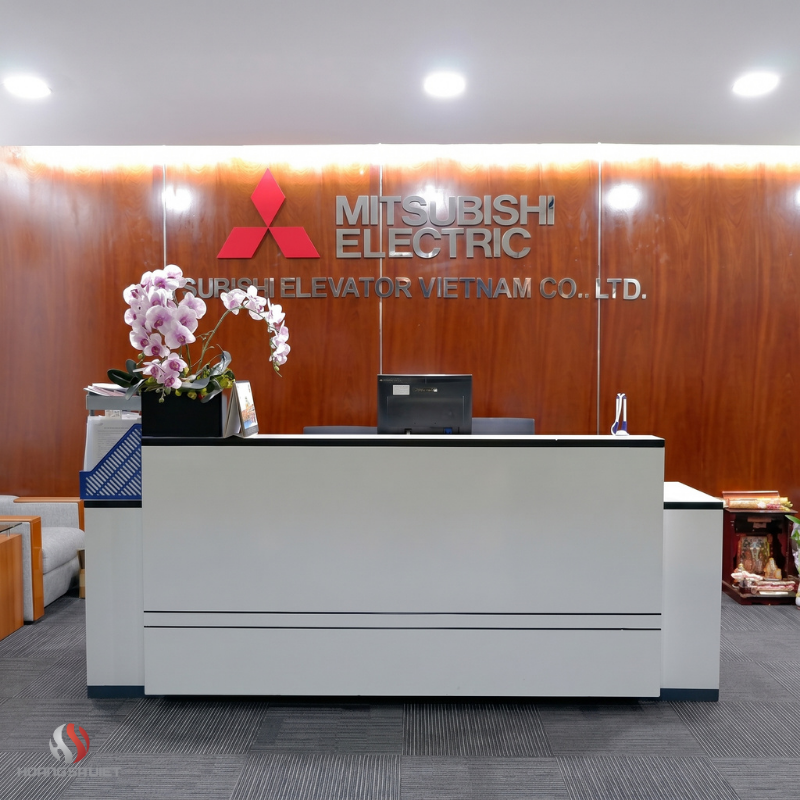
Mitsubishi Elevator Vietnam Co., Ltd. (VMEC), headquartered at 60 Truong Son Street, Ward 2, Tan Binh District, Ho Chi Minh City, is a 100% foreign-invested company headed by Mr. Tohru Chigira. It is a direct subsidiary of Mitsubishi Electric Japan in the Vietnamese market, distributing fully imported elevator models such as NEXIEZ, NexWay, SVC250L, and SVC200 for commercial and high-end residential projects. Its official website is vmec.vn.
Shanghai Mitsubishi Elevator Company (SMEC) is a joint venture established in January 1987 between Mitsubishi Electric of Japan (32% ownership), Shanghai Electromechanical Industry Corporation (52%), Building Techno-Service of Mitsubishi Electric (8%), and China Machinery Import & Export Corporation (8%). SMEC's products are manufactured in Shanghai using Mitsubishi motors and control systems, but the mechanical components and cabins are handled by the Chinese side. In Vietnam, the official distributor of SMEC is Viet Chao Joint Stock Company (vietchao.vn).
These two branches are legally independent , their products are different, and they even compete with each other in the market. This is normal in multinational corporations, where subsidiaries in multiple countries develop a shared brand. Both are genuine Mitsubishi products, differing only in their manufacturing processes and target market segments.
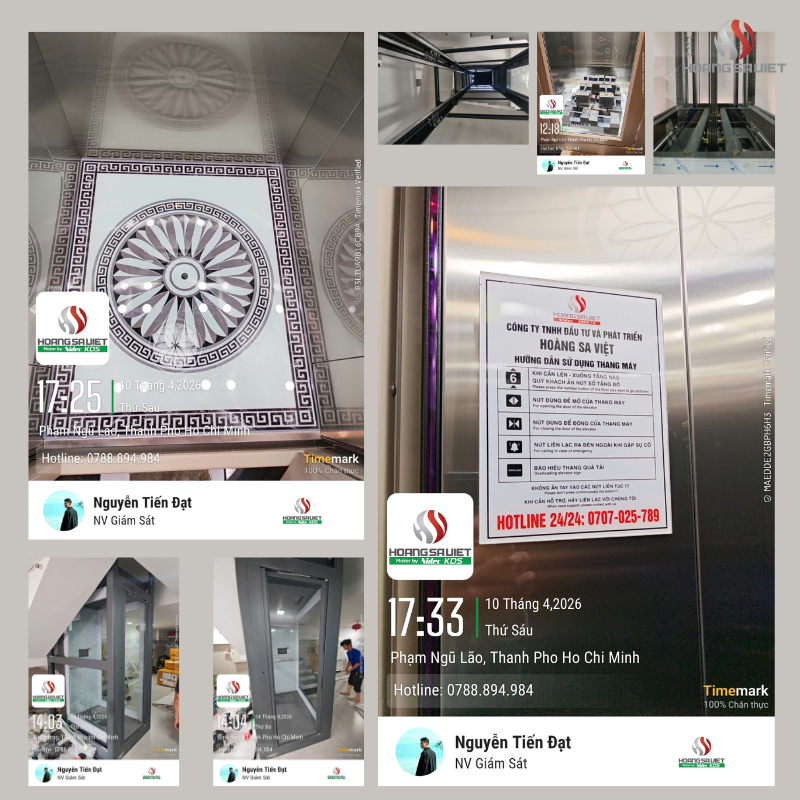
Besides these two direct distributors, Hoang Sa Viet is one of the dealers and installers, providing warranty and maintenance support for both distributors. Therefore, when you choose Mitsubishi through Hoang Sa Viet, the official warranty is still handled through VMEC or Vietchao, while installation and after-sales service are provided by the local technical team, significantly shortening problem resolution time.
Mitsubishi's official product range
A key point that many buyers are unaware of is that Mitsubishi Electric positions its products for the medium to large commercial building segment. The lowest load capacity in VMEC's NEXIEZ catalog starts at 630kg, equivalent to about 9 people, with a minimum shaft size of 1700 x 1750mm. Speeds range from 45m/min to 180m/min. The price for a genuine 5-story elevator system ranges from 800 million to 1.5 billion VND in Hanoi, with a delivery time of 4-6 months due to imported components.
SMEC, through Vietchao, primarily serves office buildings, apartments, and commercial projects. The small family home segment (under 450kg) is not their focus, due to market reasons: for a global corporation, investing heavily in mini-family homes is not as profitable in terms of profit margins as the building segment. This is a sound business strategy, not because they lack technical capabilities.
So when someone advertises a "Mitsubishi mini elevator" for 3-5 story townhouses with a load capacity of 250-450kg, the first question to ask is whether this model is in the official catalog of VMEC or Vietchao. If the answer is unclear, this is the first sign that further verification is needed.
These are the types of products using the Mitsubishi name in the mini market.
Besides the two main official brands, the home elevator market currently has several products that borrow the Mitsubishi brand name to varying degrees. I'm listing them here not to criticize, but so you know what you're buying before signing a contract.
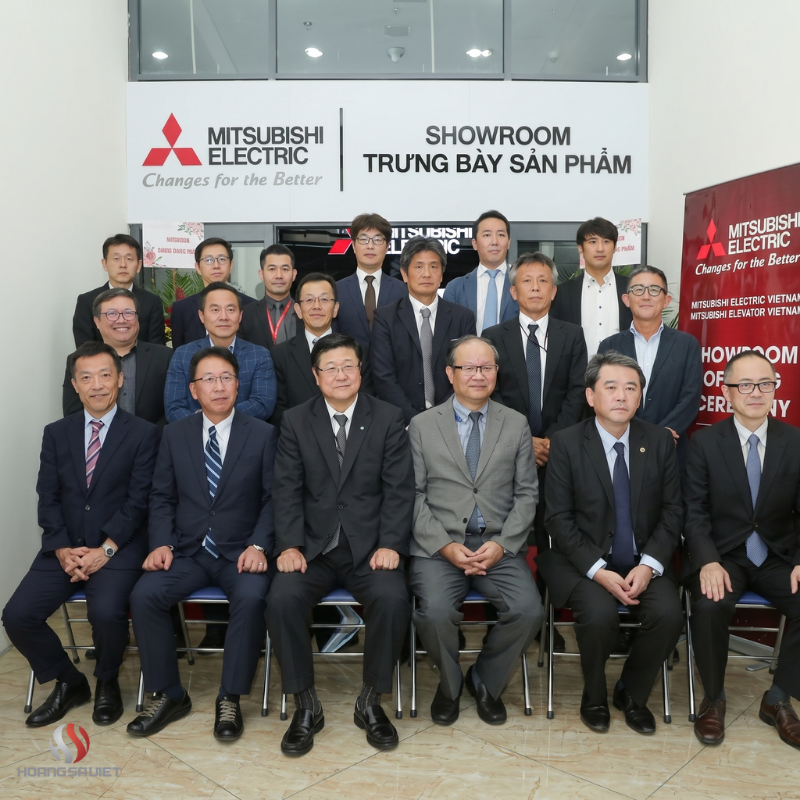
The first type consists of elevators assembled domestically using some genuine Mitsubishi components, usually inverters or PLCs from Mitsubishi Electric. These are genuine components that can be legally purchased on the industrial market. However, the motor, cabin, rails, and frame are not manufactured by Mitsubishi. Calling them "Mitsubishi joint venture elevators" is only partially correct and incomplete.
The second type is elevators bearing a sub-brand with the word "Mitsubishi" but not belonging to Mitsubishi Electric. Some Chinese factories have registered sub-trademarks containing the word "Mitsubishi" for elevator motors. Legally, this may not be infringing, but buyers cannot distinguish between Mitsubishi Electric and other factories.
The third type is a blatant imitation, with the Mitsubishi logo affixed to the motor without any permits. This poses a legal risk to both the seller and the buyer, and offers no guarantee of genuine quality.
A common issue with all three types is the difficulty in tracing official warranty claims from VMEC or Vietchao. When problems arise after 3-5 years, families often find themselves in a situation where the seller has ceased operations or no longer provides service, and authorized distributors cannot offer support because the product is not part of their network.
Four mandatory questions before signing a Mitsubishi contract.
If you still want to buy an elevator bearing the Mitsubishi name, ask the seller for a written response to the following four questions. Genuine sellers will gladly provide this information; those using the name will be evasive or refuse.
- The first question is whether this elevator model is listed in the official catalog of VMEC (vmec.vn) or SMEC distributed through Vietchao (vietchao.vn). Please provide a link to the product page for verification. If there is no public link, it is almost certainly not genuine.
- The second question is whether the seller is an authorized dealer of VMEC or Vietchao, and whether they can provide a valid authorization letter. If this document is not available, then this is not an official distribution channel.
- The third question is who issued the warranty certificate: VMEC or Vietchao, who signed it directly, or was it simply issued by the seller? If the warranty comes only from the seller without confirmation from the official distributor, the value of the commitment will depend entirely on the lifespan of that unit.
- The fourth question is what the minimum load capacity of this model is. If it's below 630kg, it's highly unlikely to be a genuine Mitsubishi Electric product, as this is the lowest capacity they currently distribute in Vietnam.
If you can answer these four questions with sufficient evidence, you can rest assured that it is a genuine Mitsubishi. Otherwise, you may need to reconsider your options.
A practical solution for 3-6 story family homes.
After understanding Mitsubishi's positioning in the high-end building and residential segment with a load capacity of 630kg or more, the next question is: where should 3-6 story townhouses with a load capacity of 250-450kg be positioned?
The first option, if budget allows and the house has sufficient elevator shaft space of 1700 x 1750mm or more, is to choose a genuine Mitsubishi NEXIEZ elevator from VMEC or Vietchao, accepting an investment of 800 million to 1.5 billion VND for a 5-story house. This option offers brand, technology, and warranty coverage from a single international supplier. The drawbacks are that the 630kg load capacity is often excessive for the actual needs of a family of 4-6 people, the elevator shaft takes up a large area, and delivery time is long. For typical townhouses in Vietnam, this investment level and space are not always feasible.
The second option, with a budget of 300-550 million VND for a 4-6 story house, offers many genuine home elevator models manufactured and installed in Vietnam, using motors imported from reputable Japanese and European brands. This is a segment that Mitsubishi does not serve, but manufacturers specializing in mini elevators have developed products suitable for the specific characteristics of Vietnamese townhouses: compact shafts of 1150 x 1150mm, pit depths of 10-30cm, and installation time of 15-20 days. When comparing investment costs over 10 years, including maintenance and replacement parts, this product group is generally significantly more economical.
In this segment, Hoang Sa Viet uses Nidec motors imported directly from Japan. This is an independent elevator motor manufacturer, not affiliated with Mitsubishi, but with a global reputation for durability and performance. The motors come with a 10-year warranty, complete CO/CQ documentation, and delivery and installation within 3-6 weeks. Their pitless elevator line, designed for renovated buildings or those with weak foundations, is priced between 310-440 million VND for a 5-story elevator, falling within the budget many would typically allocate to "Mitsubishi joint venture elevators," but with more transparent component sourcing.
For modern townhouses seeking newer technology, flat cable elevators using flat polyurethane cables instead of traditional round steel cables, saving approximately 30% on electricity and boasting a cable lifespan of 15-20 years, are a worthwhile option to consider. This technology is widely adopted by home elevator manufacturers worldwide, with a reference price of 368 million VND in the mid-to-high-end segment.
It's worth noting that Mitsubishi Electric does not manufacture Nidec motors. These are two completely separate Japanese brands. Nidec Corporation is the world's largest motor manufacturer, specializing in motors for elevators, electric cars, and industrial equipment. A residential elevator unit using a Nidec motor represents a genuine Japanese quality choice, not simply "borrowing" the Mitsubishi name.
Who should and shouldn't buy Mitsubishi elevators?
Whether or not to choose Mitsubishi depends on the characteristics of the project and the actual budget; there is no single right answer for everyone.
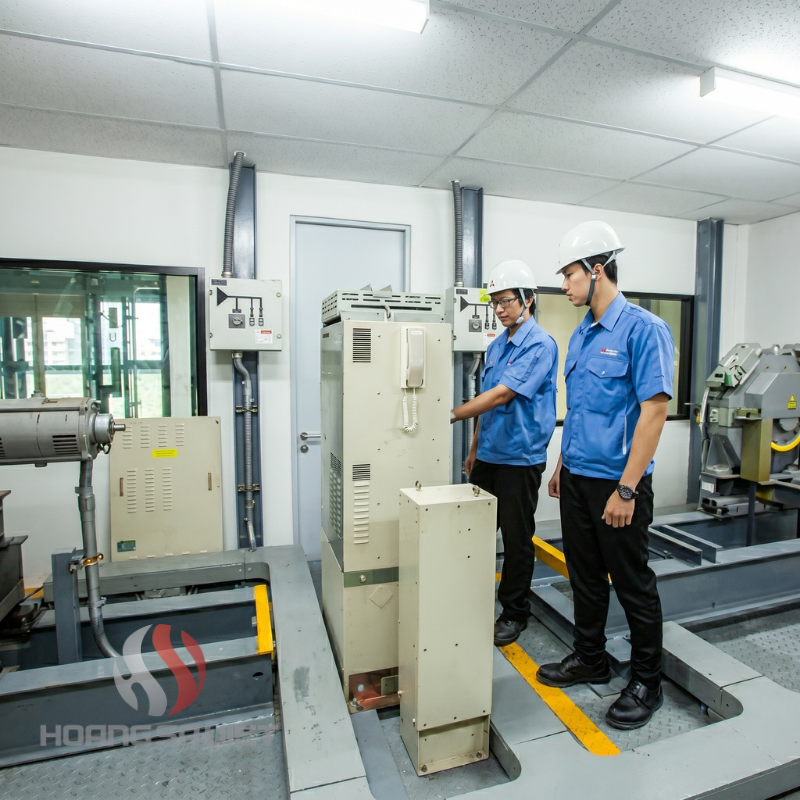
You should seriously consider genuine Mitsubishi elevators if your building is 7-15 stories tall or a small office building, requires a load capacity of 630kg or more, has a budget of 1 billion VND for elevator equipment, a minimum shaft size of 1700 x 1750mm, can wait 4-6 months for import, and wants comprehensive warranty coverage from VMEC or Vietchao. In this segment, Mitsubishi is truly a worthwhile investment in terms of brand and technology.
You might consider other options if your house has 3-6 floors, a load capacity under 630kg, a budget under 800 million VND, limited elevator shaft space, or you need the elevator installed within 4-8 weeks. In this segment, searching for Mitsubishi might lead to paying more for a larger load capacity model than needed, or mistakenly buying a product using a different name. A more sensible approach is to look at brands specializing in mini home elevators with clearly sourced components.
For houses with only 2-3 floors and family members who are elderly or require wheelchairs, a platform lift without an enclosed cabin and without a deep pit can be a much more economical and practical solution than installing an unnecessarily large elevator. This is an example of how choosing the right market segment is more important than choosing the right brand.
Frequently Asked Questions
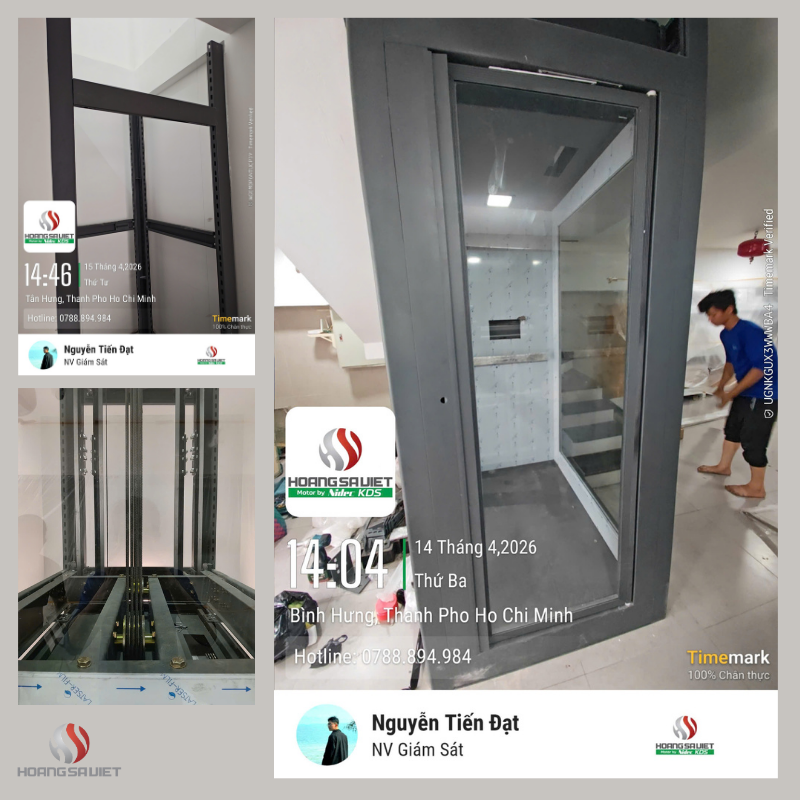
Does Mitsubishi Electric manufacture home elevators?
Yes, but the lowest capacity model in VMEC's catalog in Vietnam is 630kg, primarily serving small apartments and high-end townhouses with sufficient elevator shaft space. Models below 630kg are not in their official distribution segment in Vietnam.
Is Shanghai Mitsubishi (SMEC) an official Mitsubishi distributor?
Yes, SMEC is a legitimate joint venture between Mitsubishi Electric of Japan and Shanghai Electric Group of China, established in 1987. SMEC's products are genuine, using Mitsubishi motors and control systems, while the mechanical parts and cabins are manufactured in Shanghai. The official distributor in Vietnam is Vietchao.
Does Mitsubishi Heavy Industries manufacture elevators?
Mitsubishi Heavy Industries (MHI) is a separate corporation from Mitsubishi Electric, primarily involved in shipbuilding, aerospace, and energy. MHI does not have an elevator division. If you see an advertisement for "Mitsubishi Heavy elevators," you should verify the information very carefully.
Is Fuji Electric a subsidiary of Mitsubishi?
No. Fuji Electric is an independent Japanese corporation with no ownership relationship to Mitsubishi. These are two separate brands in the industrial electrical and elevator industries.
I placed a deposit for a "Mitsubishi joint venture elevator," how can I verify this?
Contact VMEC or Vietchao to verify if the seller is an authorized dealer and if the model in the contract is listed in the official catalog. Also, request the seller to provide the authorization letter and original warranty card. If sufficient evidence is not provided within 7 days, you have the right to renegotiate the contract terms based on regulations regarding transparent product information.
Why isn't Mitsubishi promoting its home elevator line in Vietnam?
This is a business strategy, not a technical limitation. The commercial building segment has better profit margins and larger order volumes, fitting Mitsubishi Electric's global operating model. The residential segment is highly competitive and is served more effectively by manufacturers specializing in mini-systems in terms of installation and on-site maintenance costs.
In conclusion
Mitsubishi excels in its niche market, which is elevators for high-rise buildings and luxury homes with a load capacity of 630kg or more. However, for 3-6 story townhouses with a load capacity under 450kg, Mitsubishi does not have an official product line in Vietnam. Searching for a Mitsubishi product often leads buyers into two situations: either paying significantly more for a larger-capacity model than needed, or inadvertently purchasing a counterfeit product without a genuine warranty.
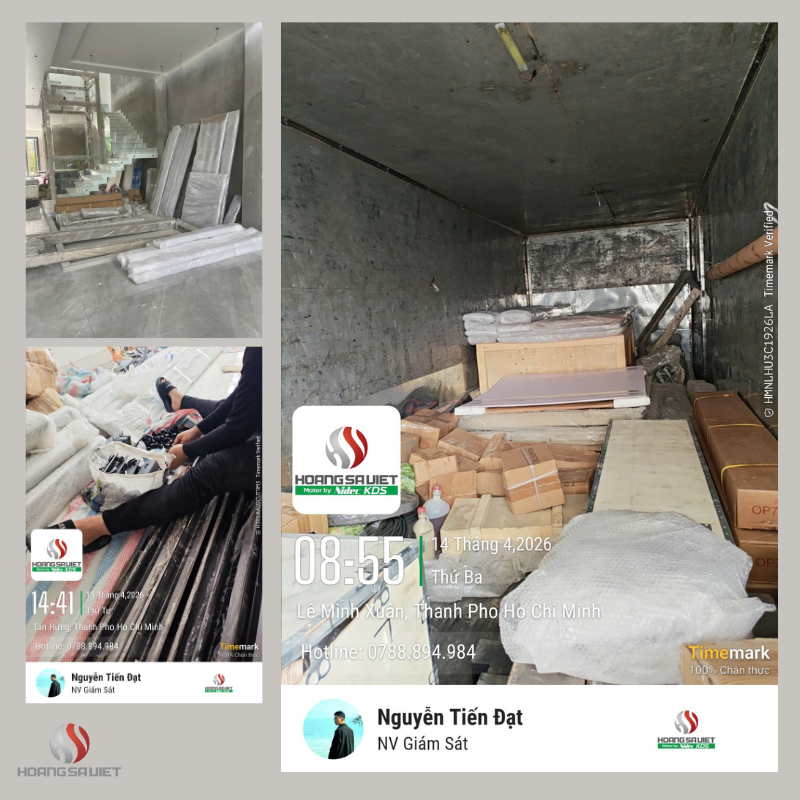
As an authorized dealer and installer/warranty provider for both VMEC and Vietchao, Hoang Sa Viet always provides transparent advice. When the need truly matches Mitsubishi, we assist with ordering and installing genuine products with complete documentation. When the need is simply for a mini-family system, we recommend Nidec products from Japan with clear origins, a 10-year warranty, and a more reasonable price, instead of pushing customers to buy products that don't fit their market segment.
If you are considering options for your family home, please check out the Mitsubishi mini elevator catalog and contact our consultants for a detailed comparison of costs, space requirements, and warranties between genuine Mitsubishi products, alternative home elevator models, and the most suitable option for your specific home.
Elevator Price List for House Renovations
Want a 100% accurate quote for your home's area? Use our automated " Quick Quote " tool. With just a few data entries, you'll receive the most optimal financial plan. Hoang Sa Viet guarantees 100% confidentiality of your personal information.
Watch the tutorial video below:
Contact: Hotline/Zalo Hoang Sa Viet Elevator - Transparent consultation, not using any brand name.
Official Source:
-
Mitsubishi Elevator Vietnam (VMEC): vmec.vn
-
Thang Long TLE Group: tle.com.vn
-
Mitsubishi Electric Global: mitsubishielectric.com
-
(Article updated in 2026. Information cited from public sources and practical experience from over 500 consultations at Hoang Sa Viet Elevator).
Special Offer: This month, Hoang Sa Viet is offering a free upgrade package for its Bronze Drum Patterned Cabin (worth 10,000,000 VND) to the first 10 customers who finalize their contract , or receive 5,000,000 VND in cash for each successful referral of a relative or friend to have an elevator installed at Hoang Sa Viet.
Contact us for free consultation & survey (nationwide):
- Hotline: 0707.025.789
- Email: hungpham@hoangsaviet.com
HEADQUARTERS - FACTORY
- HCMC: 184/20A Le Dinh Can Street, Tan Tao Ward, Binh Tan District, Ho Chi Minh City
- Hanoi: TN3-28 Thien Nga Street, Vinhome Co Loa, Hanoi
- Da Nang: No. 4 Huynh Thuc Khang Street, Block 4, Dien Ban Ward
- Aluminum Factory: Nguyen Huu Tri - Ben Luc, Long An
- Factory: E5/13 The Lu Street, Le Minh Xuan Ward, Binh Chanh District, Ho Chi Minh City
- Hanoi Warehouse: No. 229, Van Tri Street, Van Noi Ward, Dong Anh District
LIST OF BRANCHES
- Da Nang: No. 4 Huynh Thuc Khang Street, Block 4, Dien Ban Ward
- Hung Yen: Vinhomes Ocean Park 2, Nghia Tru, Van Giang
- Hai Phong: 1A/580 Ngo Gia Tu Street, Hai An Ward, Hai Phong City
- Phu Quoc: DT45, Duong Dong, Phu Quoc
- Gia Lai: 41D Mac Thi Buoi Street - Pleiku
- Kontum: 95 Huynh Dang Tho Street - Kon Tum City
- Daklak-Phu Yen: No. 10 E Nguyen Thi Dinh Street, Buon Ma Thuot Ward
Price List for Mini Elevators at Hoang Sa Viet
|
REFERENCE PRICE |
ADVANTAGES & DISADVANTAGES |
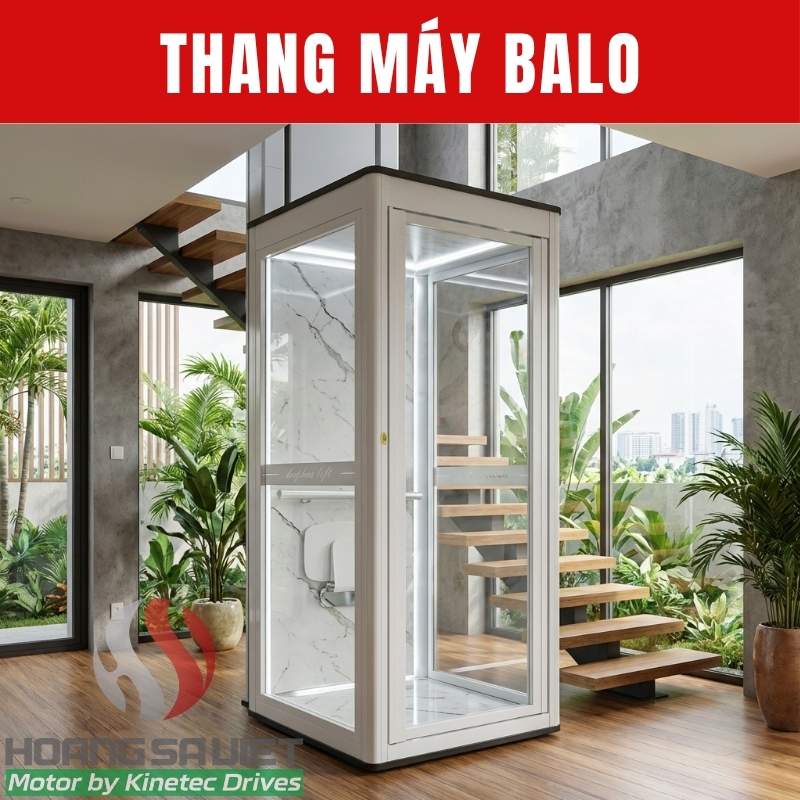 Reference price: 250,000,000 VND Representative suppliers (Asia, Ymelift, GHT, Hoang Sa Viet) |
Advantages: Inexpensive, quick installation, and portable. Suitable for micro-houses or renovated homes where conventional elevators cannot be installed. No pit required (or a shallow pit of 10cm). Minimum installation area: 0.8m² (800 x 1000mm) Disadvantages: No elevator shaft. Does not fully meet the criteria of an elevator according to Vietnamese standard TCVN. Advice from Hoang Sa Viet: Customers should only build a maximum of 2 floors for this product line. Children must be accompanied by an adult.
|
|
Home Elevator with Platform Lift 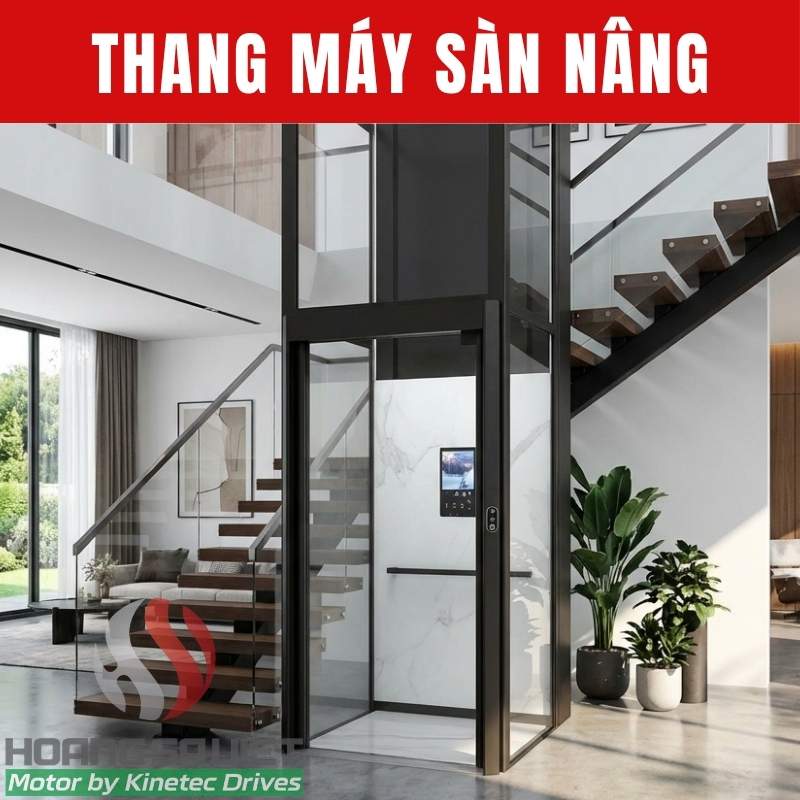 Reference price: 341,000,000 VND Representative suppliers: (Cibes, Kalea, Hoang Sa Viet, Huy Hoang) |
Advantages: Space-saving, aesthetically pleasing, and bright. Suitable for small houses or renovated houses where traditional elevators cannot be installed. No pit required (or a shallow pit of 10cm). Minimum installation area: 0.85m² (850 x 1000mm) Disadvantages: High price, slow speed: 15m/minute. Serves a maximum of 5 floors. No cabin or cabin door. Has not met inspection standards (has an inspection sticker). |
|
Elevator with Manual Door Opening 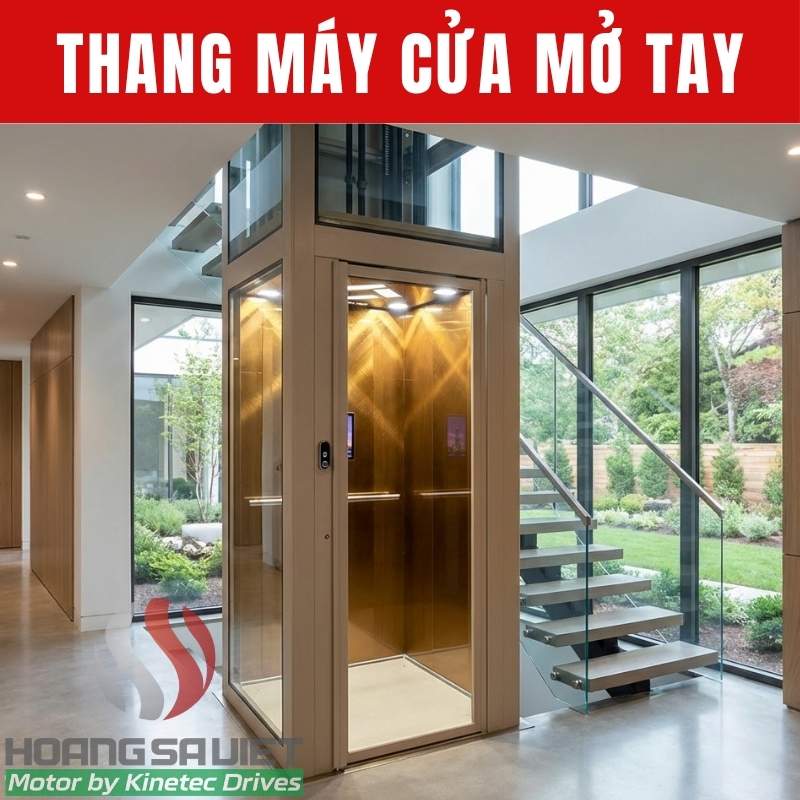 Reference price: 338,000,000 VND Representative suppliers (Cibes, Huy Hoang, Hoang Sa Viet, TPec, Gamalift, GHT) |
Advantages: Low cost, more competition from multiple providers. Suitable for small houses or house renovations. No pit required (or a shallow pit of 10cm). Minimum installation area: 0.9m² (900 x 1000mm) Disadvantage: Manually operated landing doors don't look modern. |
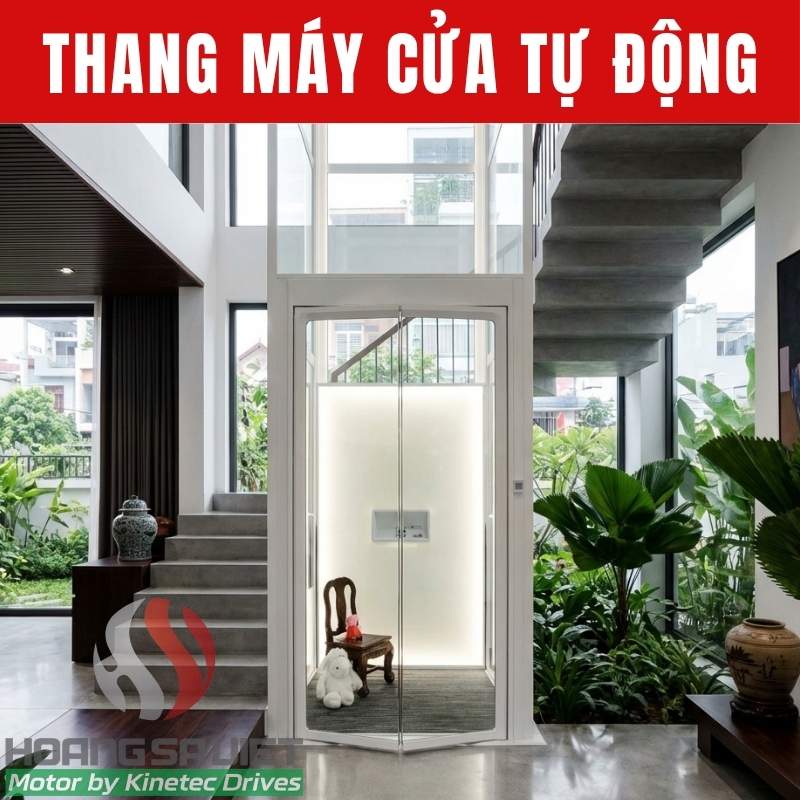
Reference price: 380,000,000 VND Representative suppliers (Cibes, Huy Hoang, Hoang Sa Viet, TPec, Gamalift, GHT) |
Advantages: Optimized space. Suitable for small houses or renovated houses. Optimized cabin space for hinged doors. No pit required (or a shallow pit of 10cm). Minimum installation area: 1.2m² (1000 x 1200mm). Automatic, luxurious and high-class door. Disadvantage: Takes up a lot of space in the elevator hallway.
|
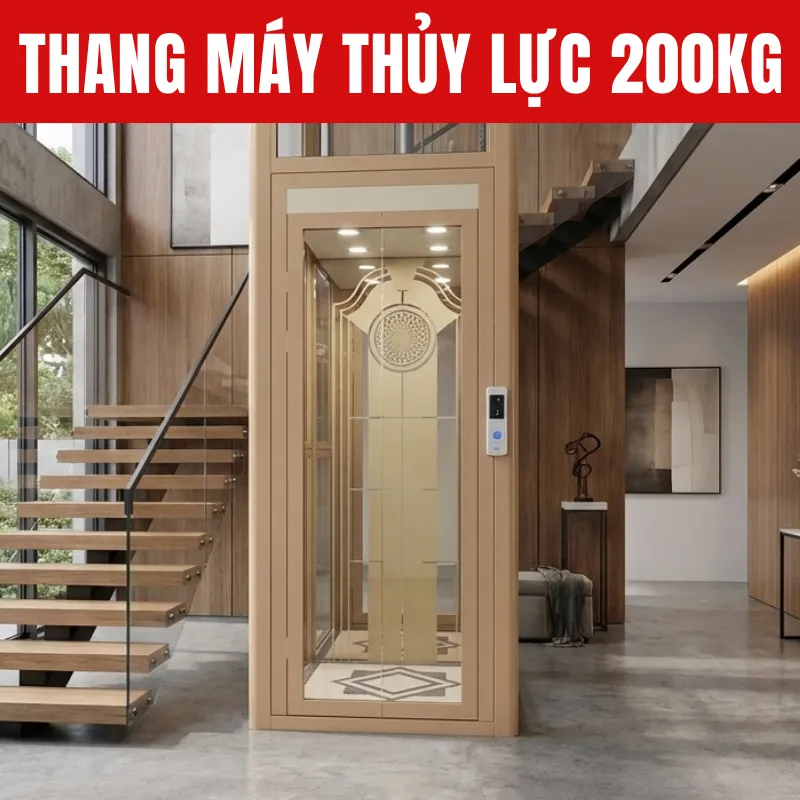 Reference price: 375,000,000 VND Representative suppliers (Cibes, Kalea, Hoang Sa Viet, Funas) |
Advantages: Hydraulic technology saves installation space. The lifting platform occupies up to 85% of the elevator shaft area. This product is suitable for families with small living spaces that lack the room for traditional elevators. Disadvantages: Hydraulic elevators are 50% slower than cable-driven elevators. They have limited capacity to transport large numbers of passengers. The maximum height of a hydraulic elevator is 13m (4 floors). |
|
200kg Screw Machine  Reference price: 650,000,000 VND Representative suppliers (Cibes, Kalea, Hoang Sa, Funas) |
Advantages: Luxurious, classy, unique. No pit required (or a shallow pit of 10cm). Minimum installation area: 1.44m² (1200 x 1200mm) Disadvantages: High price, not widely available, high cost of replacement parts. |
Note: This price list applies to smaller elevator models. Larger models will have higher prices. Depending on the size of the elevator, choosing the appropriate elevator type and door opening style will help save costs...
PRICE SUCCESSFUL!
PRICE UNSUCCESSFUL!
Hiện chưa có đánh giá nào về sản phẩm này!
Hotline 0707.025.789
hungpham@hoangsaviet.com
OFFICE ADDRESS
- Headquarters:184/20 Le Đinh Can Street,Tan Tao Ward, Binh Tan District , HCM City
- Ha Noi branch: Đ. Giap Hai, Khoan Te, Gia Lam, Ha Noi
- Hung Yen branch: EcoPark Urban Area, Hung Yen
- Phu Quoc branch: ĐT45, Duong Đong, Phu Quoc
- Long An branch: Viettruss Aluminum - Ben Luc, Long An
- Factory: E5/13 Thich Thien Hoa, Le Minh Xuan, Binh Chanh, HCM City
BANK ACCOUNT
- THANGMAYNIDEC COMPANY
- Account number: 134053669
- Bank: ACB
- Branch: Bình Trị Đông, Bình Tân

CONTACT INFO
- Hotline: 0707.025.789
- Email:hungpham@hoangsaviet.com
- Website: https://thangmaynidec.vn/en
- Tax Code: 0310779837
- Business Registration No.: 0310779837, issued by Ho Chi Minh City Department of Planning and Investment on 15/04/2011

© Copyright 2026. Copyright belong to THANGMAYNIDEC Elevator