The system is processing. Please wait a moment!


- Home Top 10 Cheap Hydraulic Elevator Models 2-Floor Hydraulic Elevator
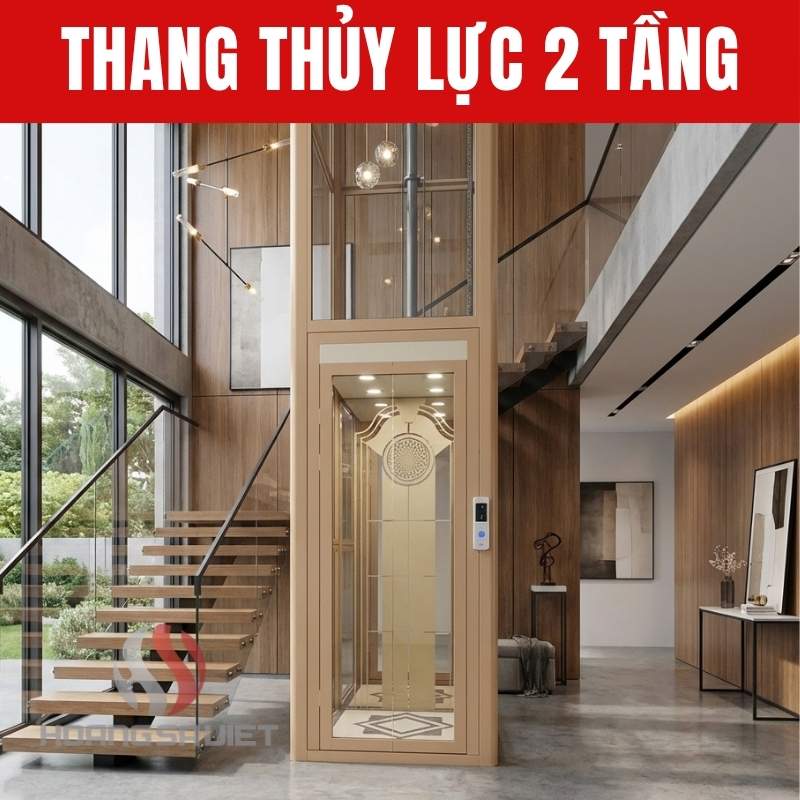
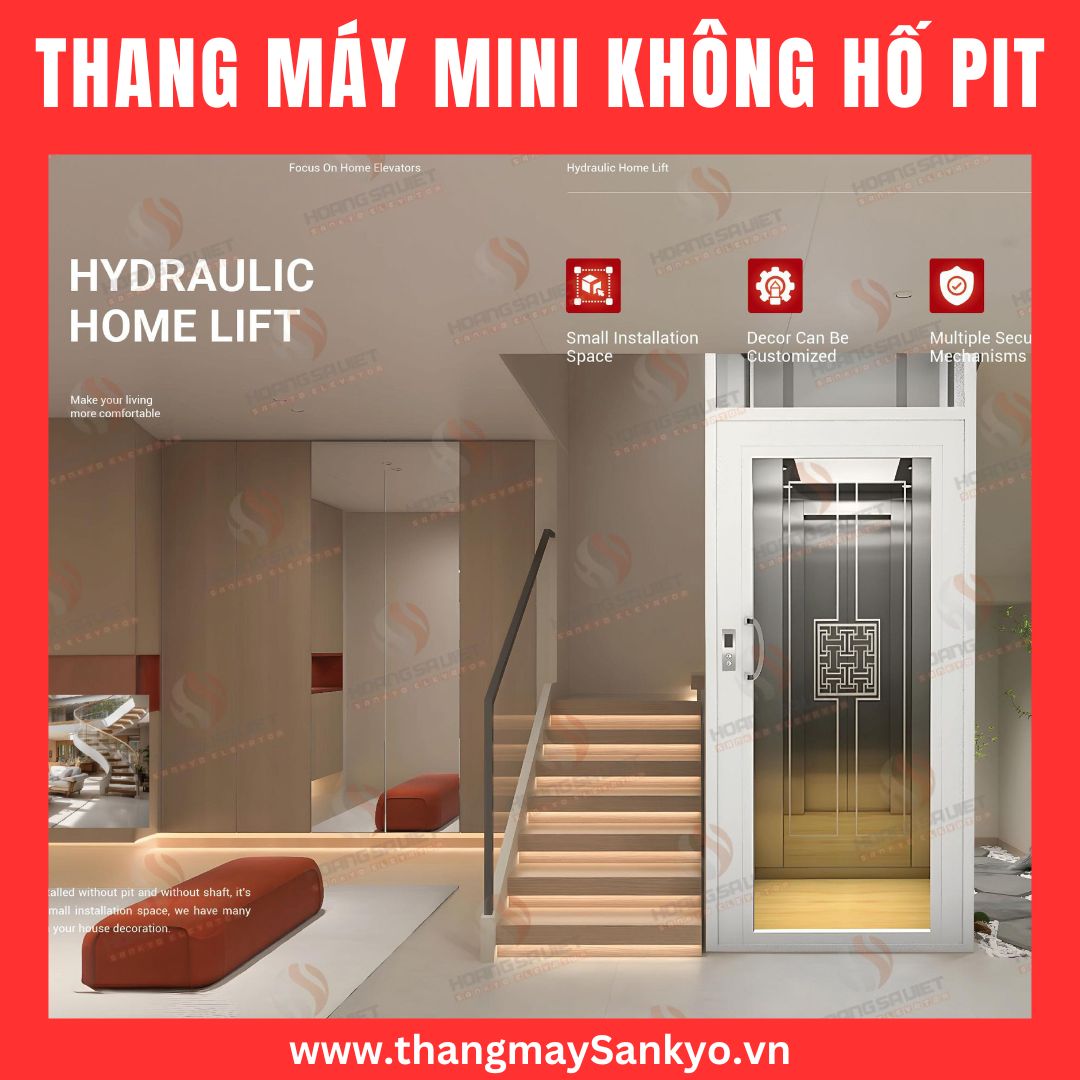

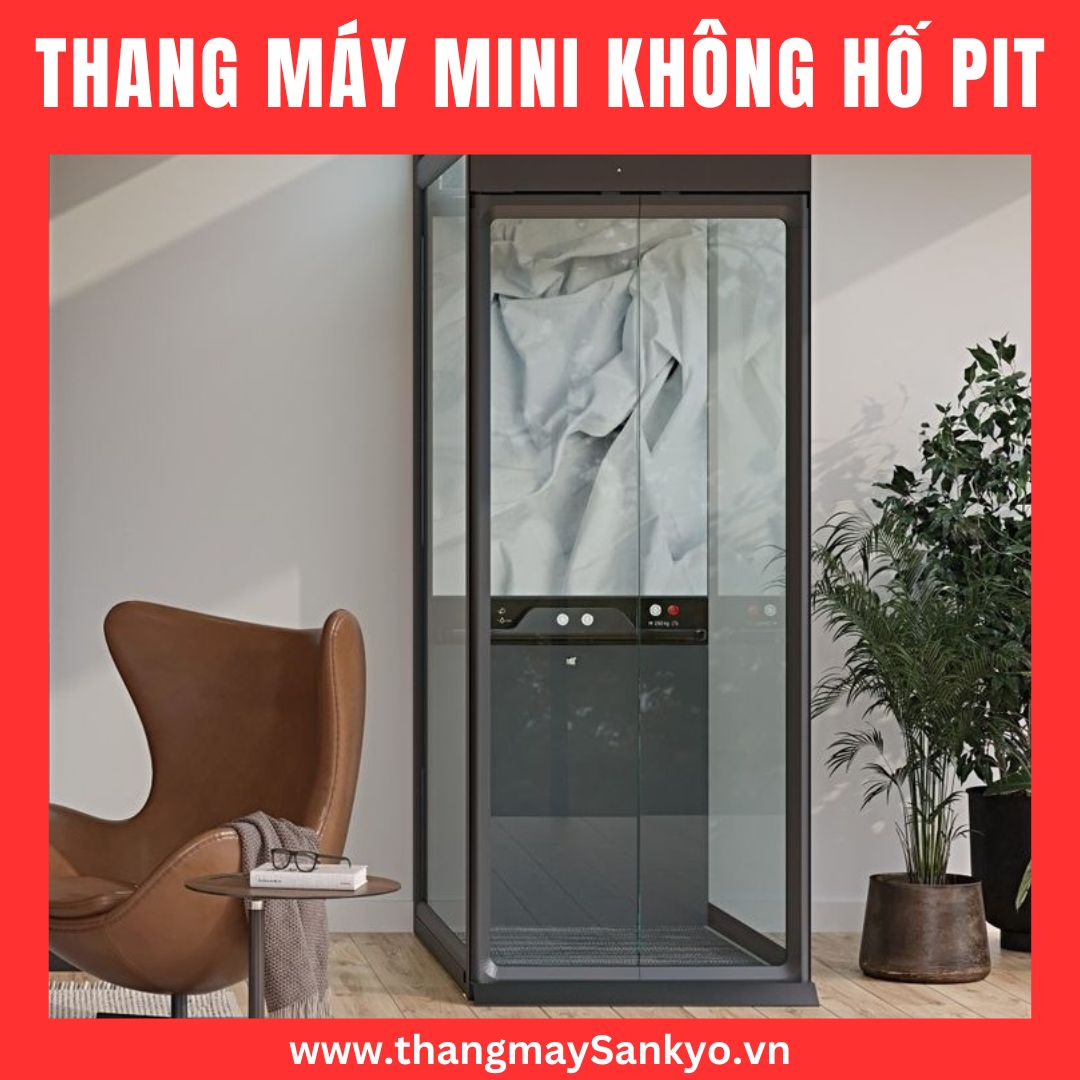
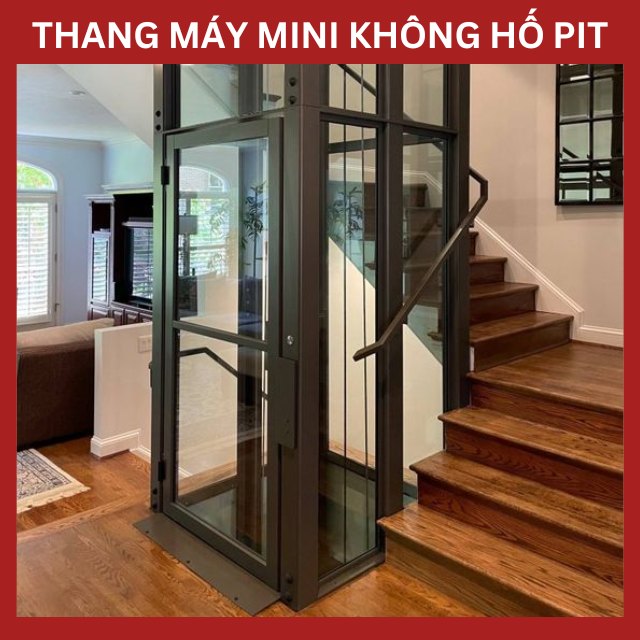
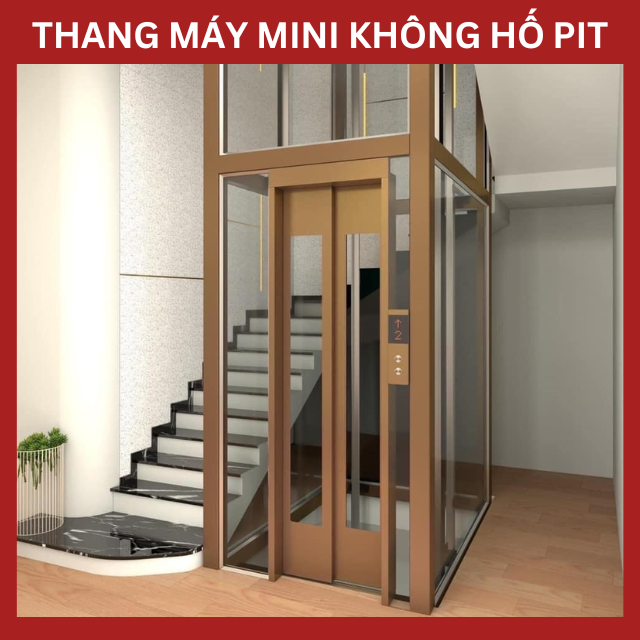
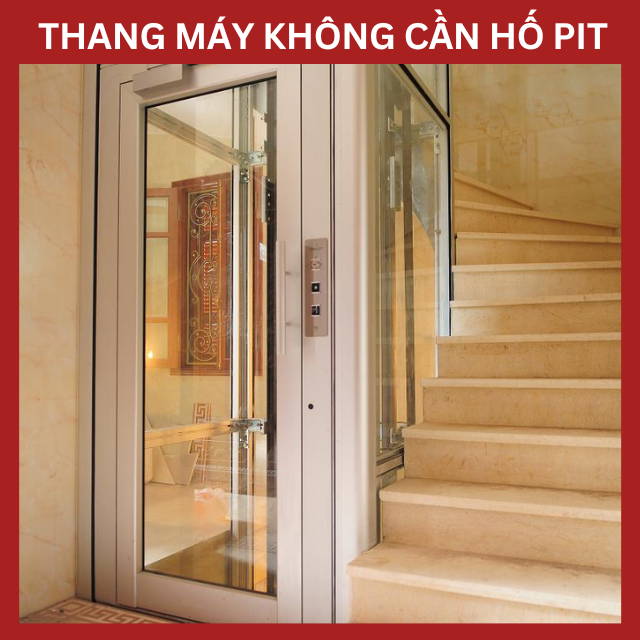
2-Floor Hydraulic Elevator
| Load Capacity: | 200KG, 250KG, 320KG, 400KG |
| Speed: | 1 meter/second |
| Number of Floors: | 3 - 5 |
| Material: | Aluminum Alloy + Glass |
| Power Source: | 220V - 1 phase |
| Classify: | Two-story hydraulic elevator |
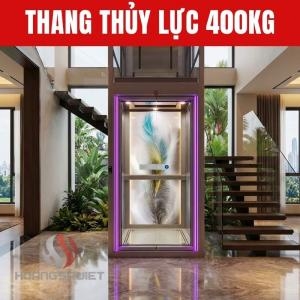
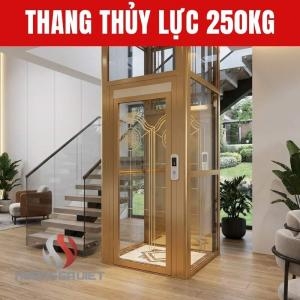
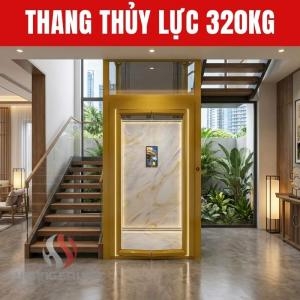
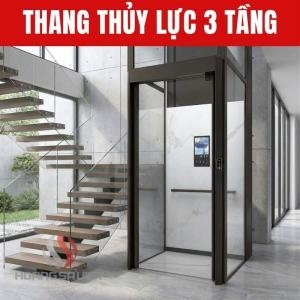
Please click the " Read Article " button to listen.
TABLE OF CONTENTS
- Features of a 2-Deck Hydraulic Elevator
- Should we install a two-story hydraulic elevator?
- Advantages and Disadvantages of Two-Deck Hydraulic Elevators
- Latest Price Quote for 2-Story Hydraulic Elevators
- Comparison of 2-Deck Hydraulic Elevators and 2-Deck Cable-Driven Elevators
- Hydraulic Elevator Installation Process at THANGMAYNIDEC
- Notes on Installing a 2-Story Hydraulic Elevator
Two-story hydraulic elevators are popular due to their compact design, making them suitable for home renovations. With prices ranging from 311 million VND to 389 million VND, let's explore the structural features, operating principles, advantages and disadvantages, as well as the differences between hydraulic and cable-driven elevators to give customers a more comprehensive understanding of this product line.
Features of a 2-Deck Hydraulic Elevator
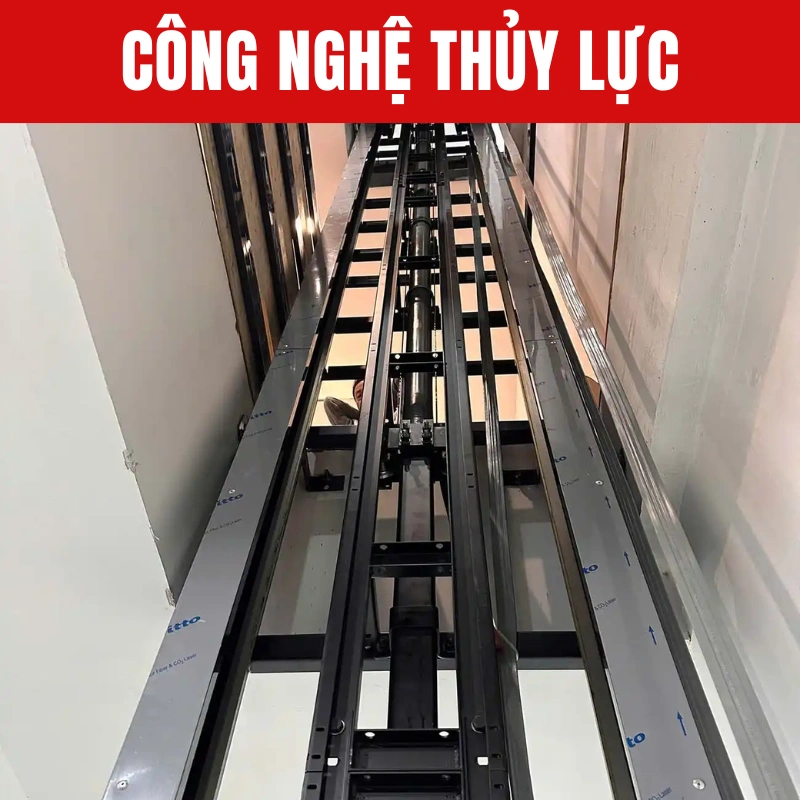
A hydraulic home elevator is a specialized device for transporting people or goods, designed specifically for buildings with only two stops. The biggest difference between this type of elevator and traditional elevators is its drive system. Instead of using a winch motor and cables, a hydraulic elevator operates based on the pressure of a fluid (usually hydraulic oil) pumped into a cylinder to push a piston, thereby raising and lowering the cabin smoothly.
Structure of a Hydraulic Elevator
A hydraulic elevator system is composed of many complex parts, requiring high precision in manufacturing. Below are the main components that make up a complete hydraulic elevator:
-
Pump station system: This component includes an electric motor, a pump, and a control valve system. The pump station's function is to generate pressure to push hydraulic oil into the cylinder.
-
Oil reservoir: This is where the hydraulic oil needed for the elevator's operation is stored.
-
Cylinder and Piston: The piston is located inside the cylinder. When oil is pumped into the cylinder under high pressure, it pushes the piston upwards, thereby lifting the cabin to the upper floors.
-
Control valve system: Includes safety valves, check valves, and flow control valves. This system ensures precise control of oil flow, allowing the elevator to start and stop smoothly.
-
Elevator cabin: This is the space that houses people or goods. For hydraulic elevators, the cabin is often designed with high-quality materials such as tempered glass, patterned stainless steel, wood, etc.
-
Control panel system: This is where elevator call signals are received and processed, and elevator speed and safety features are controlled.
Operating Principle
The operating principle of a two-story hydraulic elevator is divided into two distinct travel cycles as follows:
-
Ascending process: When an ascending call is received, the electric motor activates, driving the pump to draw oil from the reservoir into the pipeline. The oil passes through a one-way valve and flows directly into the cylinder chamber. The oil pressure increases sharply, pushing the piston upwards. Upon reaching the correct position, the motor stops pumping, and the one-way valve closes to retain the oil in the cylinder, holding the cabin stationary.
-
Downward journey: The downward movement of a hydraulic elevator is extremely energy-efficient. When a downward command is given, the control system sends a signal to open the release valve. The weight of the cabin and passengers creates pressure on the piston, pushing the oil in the cylinder back into the reservoir.
Basic Technical Specifications
Each project will have different technical specifications, however, for two-story hydraulic elevators, manufacturers usually provide a common set of standards. Below is a summary table of the basic technical specifications that you need to know:
|
Criteria |
Specifications |
Notes / Key Features |
|
Load |
200kg, 250kg, 320kg, 400kg |
Suitable for families of 2-6 people traveling together. |
|
Speed of movement |
0.15 m/s - 0.3 m/s |
The safe speed ensures a relaxing experience and does not cause dizziness for the elderly and young children. |
|
Pit depth |
100mm - 150mm |
The pit required is very shallow; some elevator models can even be installed without digging a pit. |
|
Height of OH |
2500mm - 2800mm (minimum) |
The perfect solution for buildings and townhouses with height restrictions. |
|
Engine power |
1.5 kW - 3.0 kW |
Flexible depending on the load, it can use either single-phase (220V) or three-phase (380V) household electricity. |
Basic technical specifications table for a hydraulic elevator for a two-story house.
Should we install a two-story hydraulic elevator?
Deciding to install an elevator is a significant investment and directly impacts the architecture of a house. Whether or not to choose a hydraulic elevator for a two-story building depends on many factors.
Cases Where Installation is Recommended
Here are some specific cases where you should choose this hydraulic elevator for your two-story house:
-
Renovation work where deep pit excavation is not possible: If your house is already built, demolishing the foundation to excavate a pit 1m - 1.5m deep is impossible as it would hit the strip foundation or septic tank. A hydraulic elevator, requiring a pit depth of only 10cm, is an excellent solution.
-
For villas and townhouses with height restrictions: Hydraulic elevators do not require a machine room on the top floor, saving you rooftop space.
-
For families with elderly people, young children, or those with a history of cardiovascular disease: Thanks to the oil pumping and valve release mechanism, the elevator starts and stops smoothly, without any shaking or jolting, ensuring extreme safety for users' health.
-
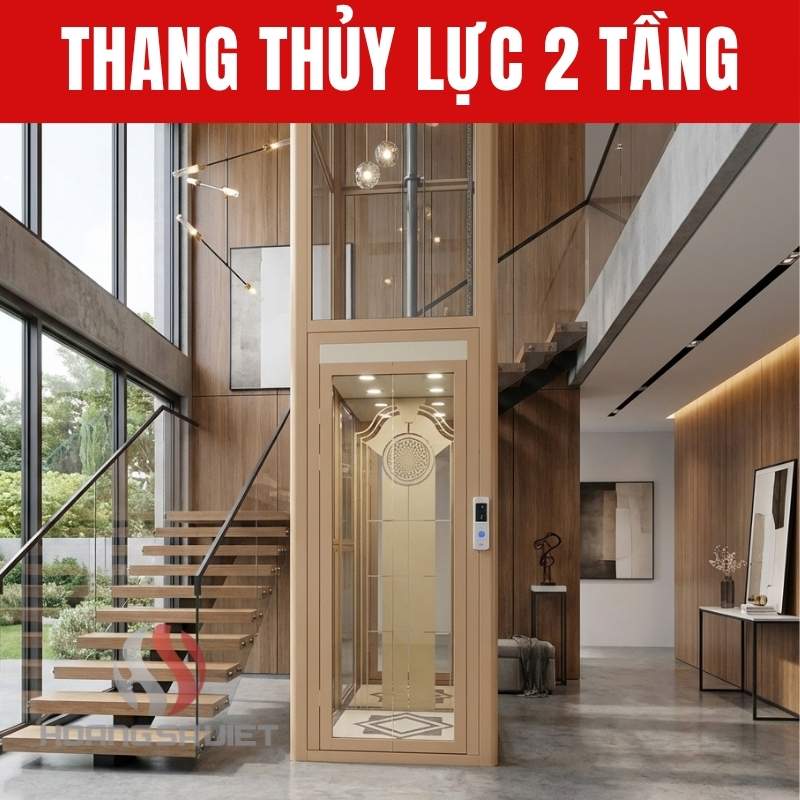
Aesthetics and elegance: Hydraulic elevators are well-suited for glass-enclosed elevators. Thanks to their compact mechanical design and lack of bulky counterweights, they create a modern design that serves as a focal point for the living room.
Cases Where Installation Is Not Recommended
Despite their many advantages, hydraulic elevators are not suitable for every building. Below are some cases where you should reconsider or avoid installing a hydraulic elevator:
-
This building requires fast travel speed: Due to limitations in pump technology, the speed of hydraulic elevators is quite slow (only about 0.3 m/s). If you are impatient or the building serves a commercial purpose requiring high speed, this is not a good option.
-
The initial investment budget is too tight: Compared to joint-venture cable-driven elevators, the cost of owning a hydraulic elevator (especially a fully imported one) is considerably higher.
-
Space constraints prevent the placement of electrical cabinets and pump stations: Although a machine room on the roof is not required, hydraulic elevators need a small space (usually next to the elevator shaft) to house the electrical cabinets and oil reservoir.
-
Height limitations: Hydraulic elevators are only suitable for buildings with 2-5 floors. If your building has more than 5 floors, please consider using a cable-driven elevator.
Additionally, you can also consider our mini hydraulic elevators, which are suitable for smaller homes.
Advantages and Disadvantages of Two-Deck Hydraulic Elevators
Every technology has two sides, and objectively evaluating its advantages and disadvantages will give you a multifaceted perspective before making a decision.
Outstanding Advantages
Here are the advantages of this 2-story hydraulic elevator:
-
Safety ensured: In the event of a power outage, the automatic lowering feature, activated by manually opening the release valve, will safely and easily bring those inside down to the nearest floor.
-
Smooth operation: Thanks to its hydraulic oil-based operating mechanism, the elevator operates more smoothly.
-
Space saving: Completely eliminating the counterweight system and machine room maximizes the usable floor space of the elevator shaft, reaching up to 70-80%.
-
Energy saving: Hydraulic elevators only consume electricity when moving upwards; they consume no electricity when descending thanks to the operating mechanism of hydraulic technology.
Disadvantages to Note
Besides its strengths, hydraulic systems also require users to accept some specific limitations. Here are some drawbacks you need to consider carefully:
-
High repair and maintenance costs: Regular hydraulic oil changes (approximately every 3-5 years) and seal system maintenance are more expensive than lubricating the cable trays.
-
Risk of oil leaks: If the piping system or seals age and go undetected, hydraulic oil can leak out, causing unpleasant odors and contaminating the pit.
-
Speed is limited: The slow travel speed can be frustrating for long journeys (however, with a two-story design, this drawback is almost negligible).
-
Pump noise: When the elevator is in operation, the pump will generate noise to pump oil, which can affect the shared living space of the family.
Latest Price Quote for 2-Story Hydraulic Elevators
Cost is always a top concern for most customers when planning elevator installation. The price of a two-story hydraulic elevator will vary based on several factors, such as:
-
Origin: Fully imported hydraulic elevators (from Italy, Germany, Spain) will cost two, or even three times more than joint-venture elevators (importing equipment and processing the mechanical parts in Vietnam).
-
Load capacity and number of stops: The greater the load, the more robust the piston system and pump station require, leading to increased costs. Although the number of fixed stops is 2, variations in travel distance (distance between two stages) also slightly affect the price.
-
Cabin materials and interior: Price differences will appear if you choose clear tempered glass walls, gold-plated patterned stainless steel, or natural wood trim instead of standard brushed stainless steel.
-
Additional features such as facial recognition, key card access, and in-cabin LCD entertainment screens are all optional extras.
Below is a price list for reference for 2-story hydraulic elevators provided by THANGMAYNIDEC:
|
Type of ladder |
Elevator shaft dimensions (mm) |
Number of floors |
Type of door |
Frame and wall type |
Price (VNĐ) |
|
200kg Hydraulic Elevator |
900x1000 |
2 floors |
Manual hinged door (self-closing) |
Combination (aluminum & steel) - Glass |
311,000,000 |
|
Double-leaf automatic doors |
Combination (aluminum & steel) - Glass |
367,000,000 |
|||
|
250kg Hydraulic Elevator |
1000x1100 |
2 floors |
Manual hinged door (self-closing) |
Combination (aluminum & steel) - Glass |
314,000,000 |
|
Double-leaf automatic doors |
Combination (aluminum & steel) - Glass |
370,000,000 |
|||
|
320kg Hydraulic Elevator |
1400x1600 |
2 floors |
Manual hinged door (self-closing) |
Combination (aluminum & steel) - Glass |
331,000,000 |
|
Double-leaf automatic doors |
Combination (aluminum & steel) - Glass |
387,000,000 |
|||
|
400kg Hydraulic Elevator |
1500x1600 |
2 floors |
Manual hinged door (self-closing) |
Combination (aluminum & steel) - Glass |
333,000,000 |
|
Double-leaf automatic doors |
Combination (aluminum & steel) - Glass |
389,000,000 |
Price list for 2-story hydraulic elevators by load capacity from THANGMAYNIDEC
Note: The elevator prices above are for reference only. For the most accurate quote at the current time and tailored to your actual space, please contact reputable companies like THANGMAYNIDEC for a free survey.
Comparison of 2-Deck Hydraulic Elevators and 2-Deck Cable-Driven Elevators
When faced with the decision of purchasing an elevator, customers often hesitate between the two most common technologies: hydraulic technology and cable-driven technology.
Below are detailed comparison criteria to help you easily make the best decision for your home:
|
Criteria/Technology |
Hydraulic elevator |
Cable-driven elevator |
|
Speed and number of floors served |
Slow speed (0.15 - 0.3 m/s), only suitable for low-rise buildings (maximum about 5-6 floors). For a 2-story house, this speed is perfectly acceptable. |
Speeds can reach 1.0 m/s or more. Suitable for all heights, from townhouses to skyscrapers. |
|
Smoothness |
Starting and stopping via the throttle valve should be smooth, without any abrupt feeling. |
A slight vibration can be felt when the cabin stops at a floor. |
|
Power consumption |
Electricity consumption is higher when going upwards (because the pump has to push a larger volume). |
Energy saving thanks to the balanced counterweight system. |
|
Noise level |
The water pump located next to the elevator on the ground floor makes noise whenever the elevator is in operation. |
The motor, located at the top of the elevator shaft, can cause noise to reverberate downwards. |
|
Maintenance costs |
Maintenance costs are high due to the need for oil changes and seal repairs. |
Monthly maintenance costs are lower, and replacement parts are readily available and inexpensive. |
Comparison table between hydraulic and cable-driven elevator types.
Hydraulic Elevator Installation Process at THANGMAYNIDEC
Nidec Elevator Systems is exclusively distributed by HSV Group. We are proud to be one of the leading and most reputable pioneers in the field of supplying and installing home elevators, especially hydraulic elevators. We understand that no matter how expensive an elevator is, if the process is not done properly, it can easily lead to customer dissatisfaction. Therefore, every stage is carried out under strict supervision.
Below is the standardized 5-step installation process that is strictly applied at THANGMAYNIDEC:
-
Step 1: THANGMAYNIDEC technicians will visit the site to take measurements and then advise on the elevator model that best suits your needs.
-
Step 2: Based on the survey data, we will discuss in detail with you to agree on the most optimal product and construction material selection within your budget.
-
Step 3: Detailed design drawings based on standard dimensions will be completed within 5 days. Following that, the fabrication and material preparation process will take approximately 20 additional days.
-
Step 4: The construction and installation of the elevator at the construction site, along with acceptance and handover, will be completed within 30 days.
-
Step 5: Immediately after the handover is complete, a representative from THANGMAYNIDEC will directly instruct the family on how to operate the elevator safely, and thoroughly explain the procedures for handling emergencies.

Important Notes When Installing a 2-Deck Hydraulic Elevator
Before deciding to purchase an elevator, you need to keep in mind these key points that every homeowner should remember:
-
Choose a reputable supplier: Hydraulic elevators require a high level of technical expertise. Choose companies with clear legal standing, showrooms for hands-on experience, and a skilled technical team, like THANGMAYNIDEC.
-
Accurately determine the location of the pumping station: The distance from the oil storage tank to the elevator shaft should not be too far (usually less than 10m) to ensure optimal pumping pressure. This area needs to be well-ventilated and dry to prevent mold growth on the electrical cabinet.
-
Pay attention to the building's load-bearing structure: Although there is no machine platform on top, the entire load of the hydraulic elevator will be concentrated directly at the bottom of the pit. Therefore, the pit foundation must be made of extremely strong reinforced concrete according to the load-bearing drawings.
-
Understand your maintenance contract thoroughly: Don't just look at the initial purchase price. Ask the supplier about the cost of periodic hydraulic oil changes, the price of consumables, and their commitment to on-site troubleshooting (usually within 1-2 hours in urban areas).
-
Interior design consistency: Elevators are not just for transportation; they are also a major piece of furniture. Discuss carefully with your architect to choose the color of the elevator frame and the material of the cabin walls (clear glass, frosted glass, or stainless steel) to harmonize with the overall style of the house.
If you are looking for a comprehensive elevator solution provider, from sophisticated design to precise installation, THANGMAYNIDEC is confident in being your reliable partner. Contact our hotline: 0707.025.789 today to receive expert advice and the best possible price quote for your living space!
>>> See also: If your home has limited space, you can consider machine-roomless home elevators to save space.
Contact Information
THANGMAYNIDEC VIETNAM JOINT STOCK COMPANY
-
Address: 184 Le Dinh Can Street, Tan Tao Ward, Ho Chi Minh City
-
Hotline: 0707.025.789
-
Email: hungpham@hoangsaviet.com
-
Website: thangmaynidec.vn
-
Working hours: 8:00 AM - 5:00 PM daily
PRICE SUCCESSFUL!
PRICE UNSUCCESSFUL!
Hiện chưa có đánh giá nào về sản phẩm này!
Hotline 0707.025.789
hungpham@hoangsaviet.com


OFFICE ADDRESS
- Headquarters:184/20 Le Đinh Can Street,Tan Tao Ward, Binh Tan District , HCM City
- Ha Noi branch: Đ. Giap Hai, Khoan Te, Gia Lam, Ha Noi
- Hung Yen branch: EcoPark Urban Area, Hung Yen
- Phu Quoc branch: ĐT45, Duong Đong, Phu Quoc
- Long An branch: Viettruss Aluminum - Ben Luc, Long An
- Factory: E5/13 Thich Thien Hoa, Le Minh Xuan, Binh Chanh, HCM City
BANK ACCOUNT
- THANGMAYNIDEC COMPANY
- Account number: 134053669
- Bank: ACB
- Branch: Bình Trị Đông, Bình Tân

CONTACT INFO
- Hotline: 0707.025.789
- Email:hungpham@hoangsaviet.com
- Website: https://thangmaynidec.vn/en
- Tax Code: 0310779837
- Business Registration No.: 0310779837, issued by Ho Chi Minh City Department of Planning and Investment on 15/04/2011

© Copyright 2026. Copyright belong to THANGMAYNIDEC Elevator