The system is processing. Please wait a moment!


- Home Top 10 Important Factors in Elevator Safety System

Top 10 Important Factors in Elevator Safety System
TABLE OF CONTENTS
Elevators are gradually becoming a popular means of transportation in modern life.
With the top priority being maximum safety for users, the elevator safety system is not only the main factor, but also the key factor that determines ensuring a safe and reliable experience for users during elevator use.
Hoang Sa Viet Sankyo Elevator will share with you 10 indispensable factors in theelevator safetyin the article below.
1. Overspeed governor:
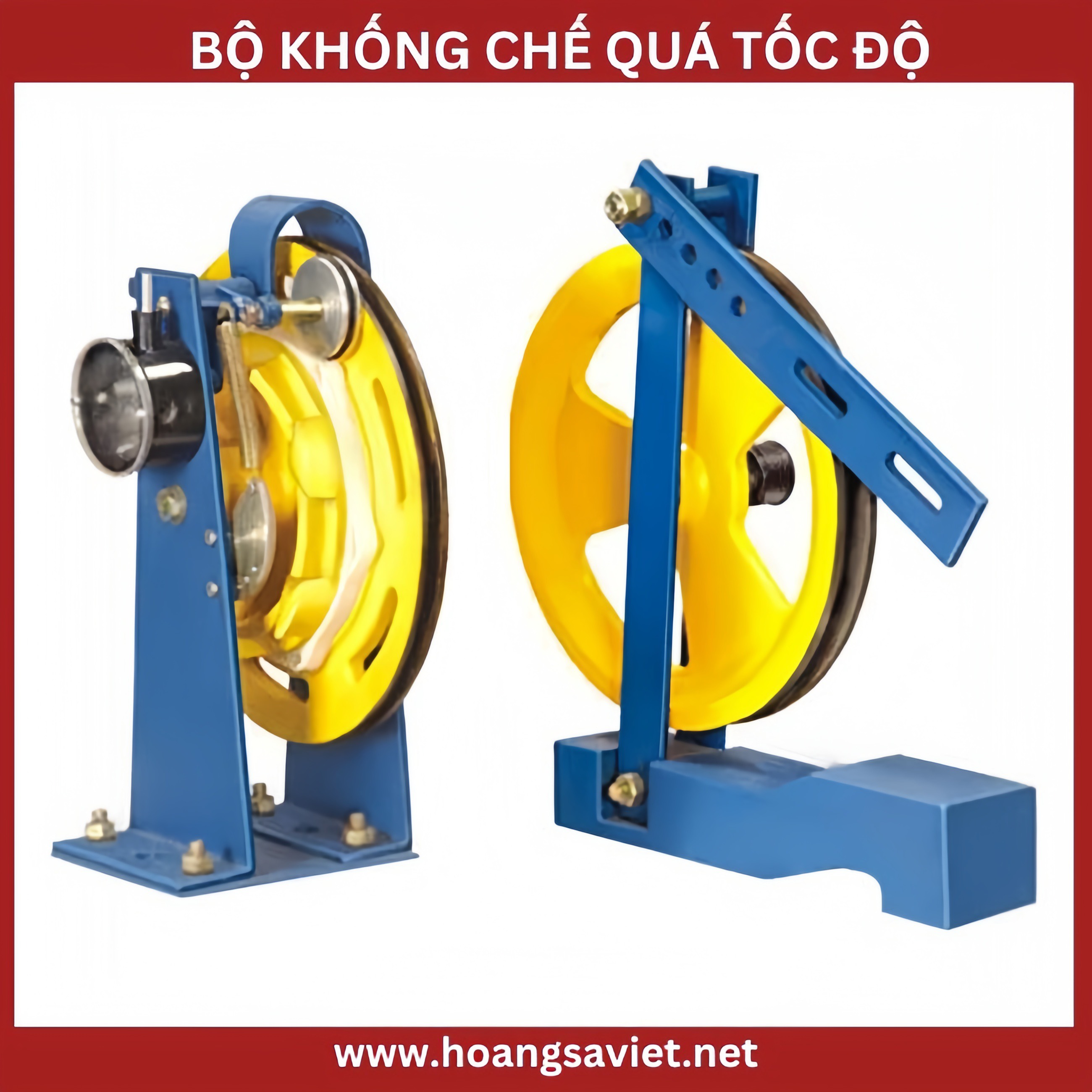
The overspeed governor, also known as the speed limiter, is one of the most important safety mechanisms in the elevator safety system . It measures and regulates the speed of the elevator and is connected to the cabin via a steel cable.
If the elevator exceeds its rated speed (usually 10% higher than the maximum rated speed), the overspeed governor cuts power to the motor, slowing the motor shaft. If the elevator car continues to accelerate or all the ropes are cut and the car is in free fall, a device is activated. A mechanism stops the governor rope, causing the safety device to engage and stop the car.
The overspeed governor is often combined with a safety brake system, which helps ensure that the elevator can stop safely when necessary.
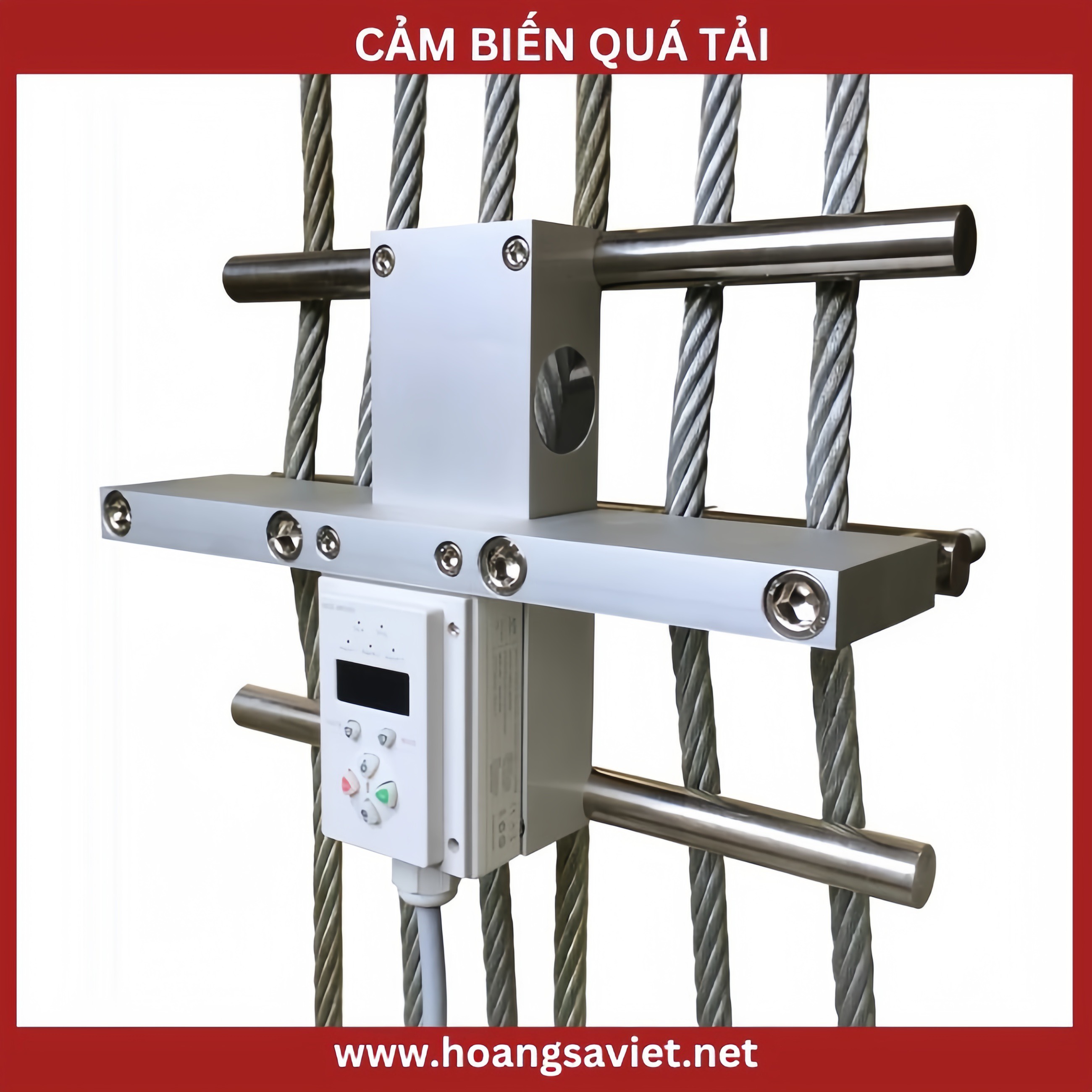
2. Overload sensor
Each elevator has a rated load that must not be exceeded to ensure passenger safety and elevator life.
In the elevator safety system , overload sensors are installed to ensure that the elevator does not exceed its rated load. These sensors measure the weight of all passengers in the cabin and if the weight exceeds the limit, an alarm is triggered and the elevator will not operate until the load is reduced.
3. Elevator door sensor – photocell
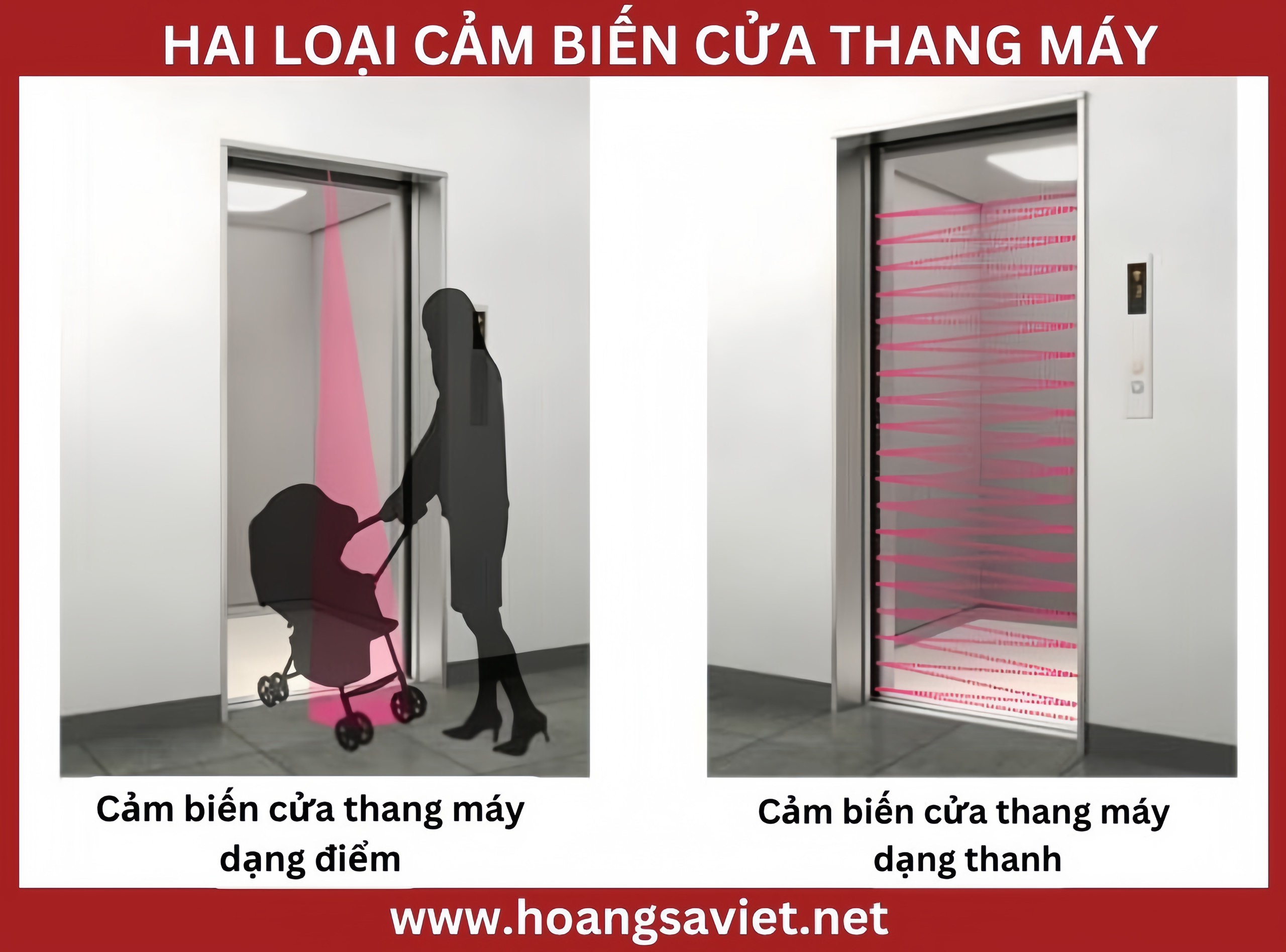
One of the important details in the elevator safety system is the elevator door sensor system, also known by many other names such as: photocell, elevator infrared membrane, elevator door photosensor.
These sensors are placed between the cabin door and the landing door and create a curtain. When passengers pass through here, the sensors send a signal to the door to ensure that the door only closes when there is no person or object in between.
Elevator door sensors come in two types: point and bar.
Point sensor:
Two sensor points are mounted on the two edges of the elevator door, the distance from 50cm to 90cm above the cabin floor. Because there are only two eyes, the protection range is narrow, just a straight line, so when the elevator is closing, the obstacle must intersect that straight line for the elevator to automatically open the door.
Bar sensor:
This is a long bar infrared elevator door sensor installed along the height of the machine room door, each bar is about 2000mm long on average. Due to the length along the entire elevator door, the protection range of this sensor almost covers the entire elevator door, so obstacles standing at any point in the elevator door will be absolutely protected by this sensor.
Depending on the specific application, the signal from the sensor can trigger safety systems such as stopping the elevator, opening/closing the elevator doors, or even triggering an alarm.
4. Win the game
Mechanical brake or mechanical brake is a very necessary and important part of the elevator safety system . When the elevator moves beyond the allowed speed, the mechanical brake will operate to hold the cabin to the rail (rail) to prevent the elevator from moving beyond the speed.
.jpg "Illustration for mechanical brake")
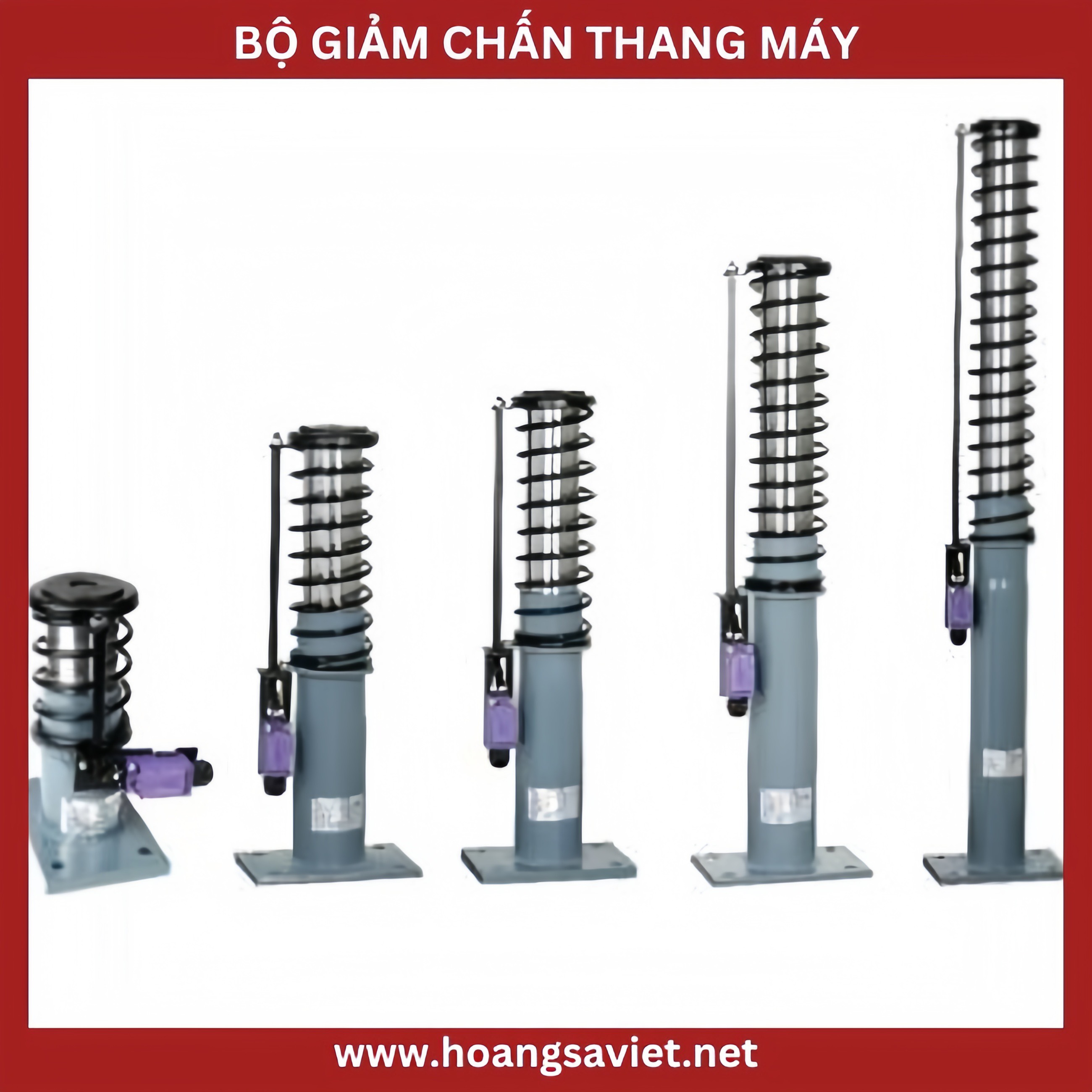
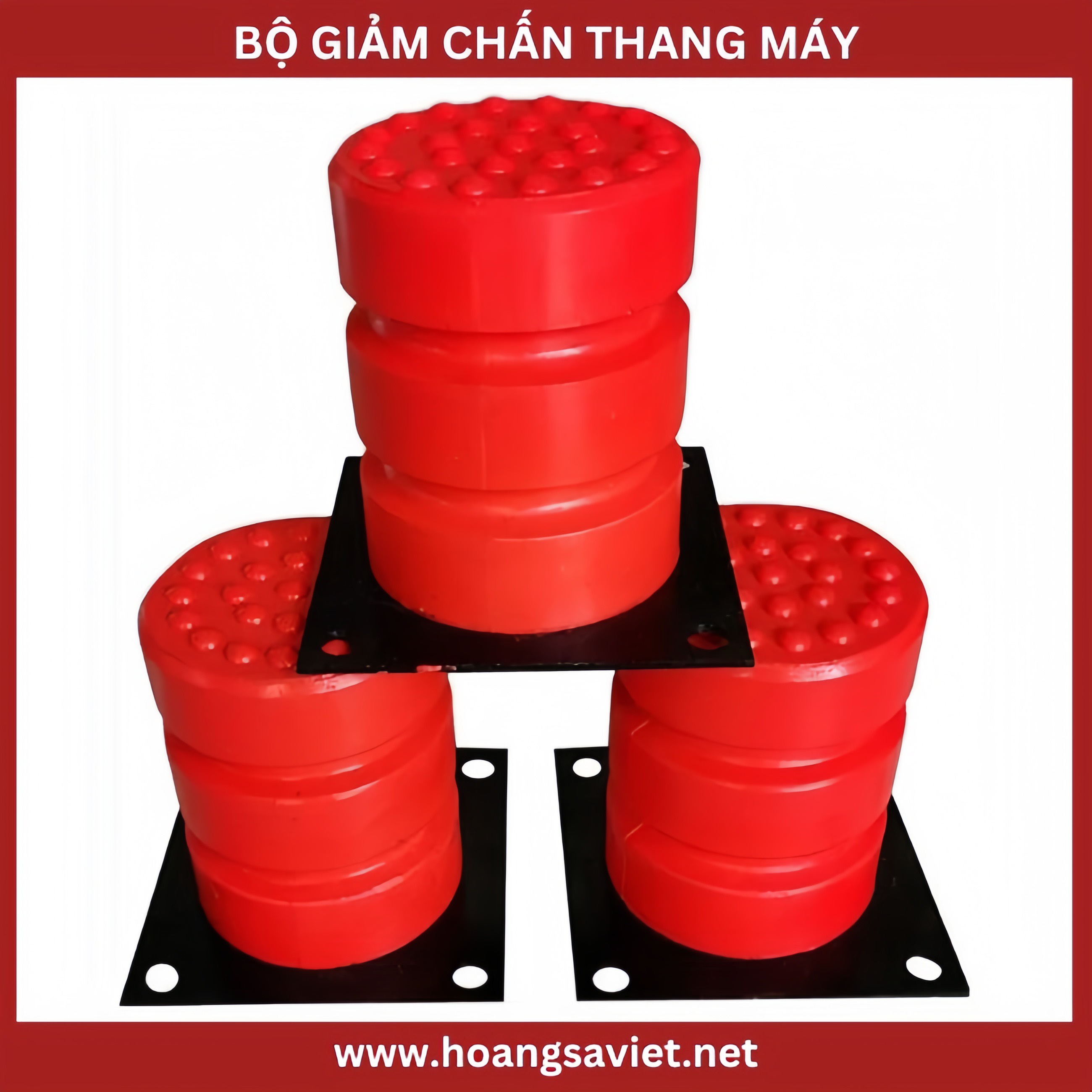
5. Elevator shock absorber
Elevator dampers are safety devices located under the car and counterweight. They prevent the car from falling beyond its normal limit due to inertia, and soften and absorb the shock and force when the elevator falls freely from a distance too small for the speed governor to act. You can try to imagine the role of the elevator damper as the shock absorber of the motorcycle we often use.
Depending on the purpose of use and different conditions of use, elevator shock absorbers are divided into many different types such as: counterweight shock absorbers, cabin shock absorbers, hydraulic shock absorbers, spring shock absorbers, rubber shock absorbers.
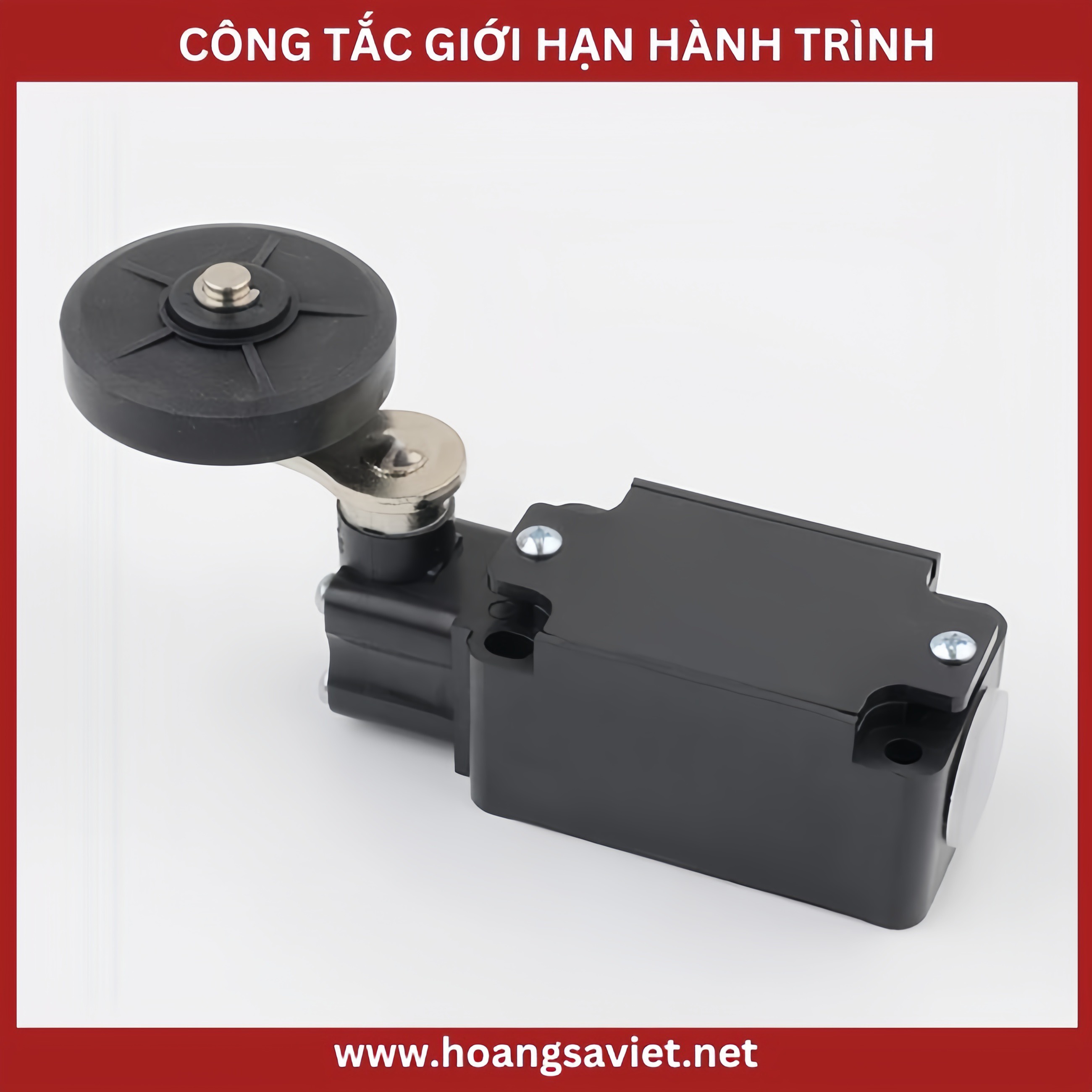
6. Travel limit switch
This safety feature is responsible for ensuring that the elevator does not travel beyond its intended range. This prevents the elevator from going beyond its travel limit. The limit switch is also designed to protect the technician performing elevator maintenance.
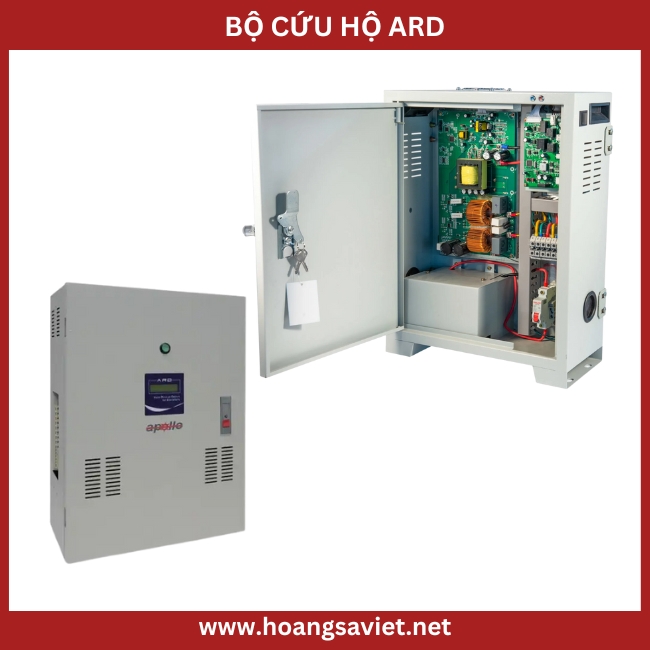
7. ARD or UPS rescue kit
In the event of a power outage or failure during the elevator's travel, these devices will provide the elevator with enough power to reach the nearest floor and open the doors for passengers to evacuate. These devices are battery operated so regular inspection and replacement when they are no longer working is essential.
8. Door lock safety switch
The door lock safety switch is an important part of the elevator safety system that ensures that the elevator will not move as long as one of the elevator landing doors is open or not fully closed. This safety feature ensures that the elevator will not move until all passengers have entered or exited the car and the landing doors are fully closed, avoiding any injury .
This switch is commonly used in various types ofthang máy tải kháchLarge freight elevators are also widely integrated in production lines, conveyor belts, and other electrically operated structures that move on fixed routes.
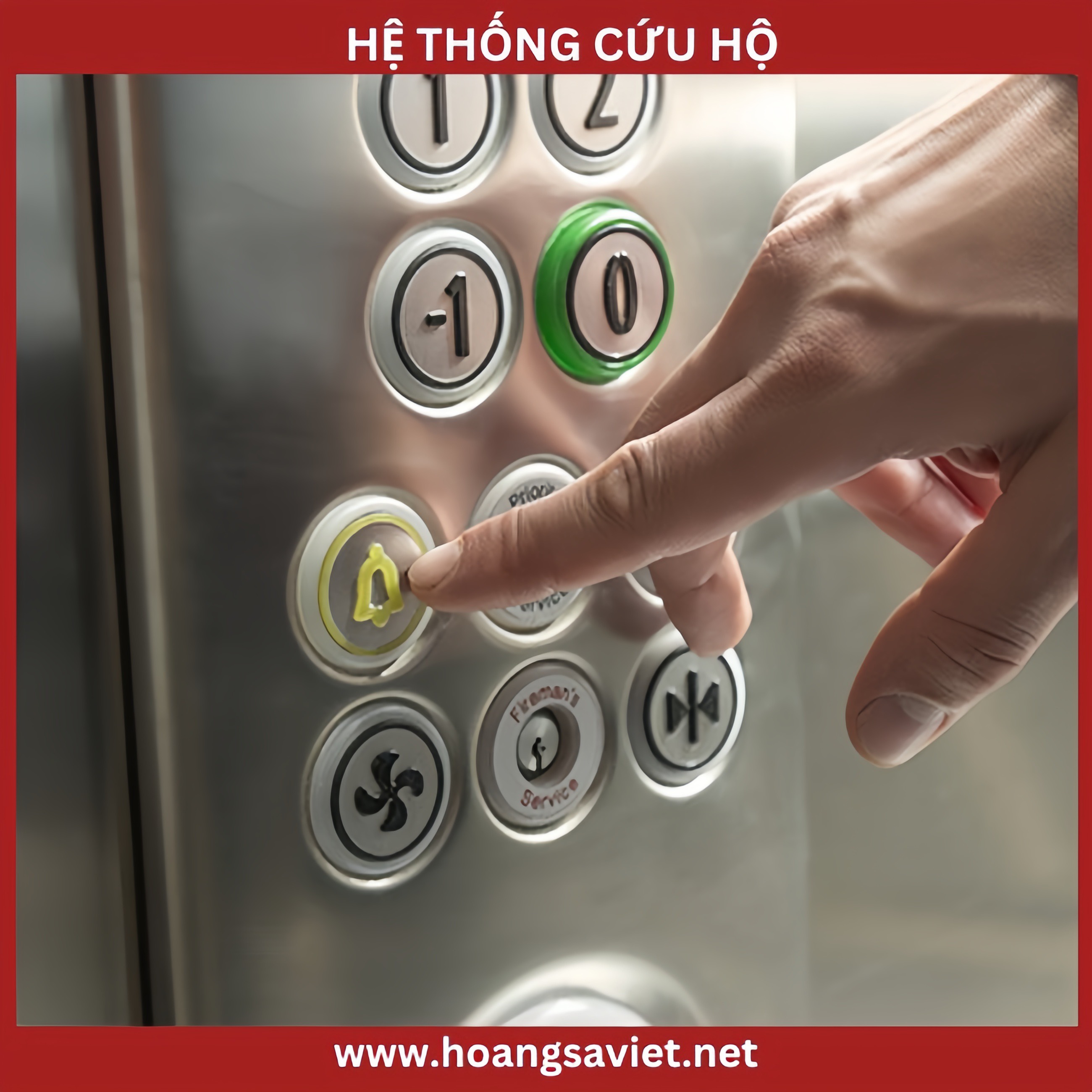
9. Emergency alarm system
In case of an elevator emergency, customers should stay calm and press the emergency button (bell symbol) to attract attention from outside, and provide detailed information so that technical staff can respond quickly and rescue in time.
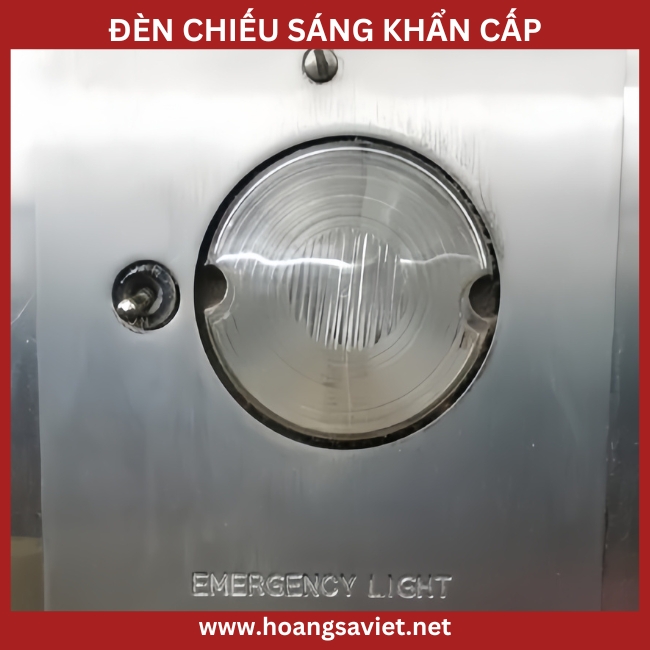
10. Emergency lighting
Emergency lighting is designed to provide illumination in the event of an emergency or power failure, helping passengers and staff find their way out of the elevator safely.
Often the emergency lights are combined with a light sensor. If the surrounding environment becomes dark, the sensor will trigger the emergency lights to automatically turn on and are often integrated with the emergency alarm system, helping to warn passengers of an emergency situation.
Emergency lighting is often placed in strategic locations within the elevator, such as on the ceiling or in locations that are easily visible to users.
Elevator safety systems not only help protect the safety of users but are also a decisive factor for a safe and convenient travel experience. Besides, the most important safety measure is the appropriate behavior of passengers when using elevators.
There are some guidelines for proper elevator use and guidelines to follow in the event of an elevator failure. The most important rule is to stay calm, contact emergency services and wait for rescue as the inside of the elevator is the safest part of the elevator.
To further ensure passenger safety, it is advisable to ensure that elevators are properly installed and maintained. Safety is the top priority of elevator manufacturers.
Hoang Sa Viet Elevator Sankyo has shared the top 10 most important elevator safety systems . Hopefully this article will help you in the process of moving and operating the elevator.
✅ Hoang Sa Viet Elevator - Installation, Maintenance, and Renovation of Vietnamese Quality Elevators
.png "thang máy kính gia đình")
.png "thang máy tải khách")
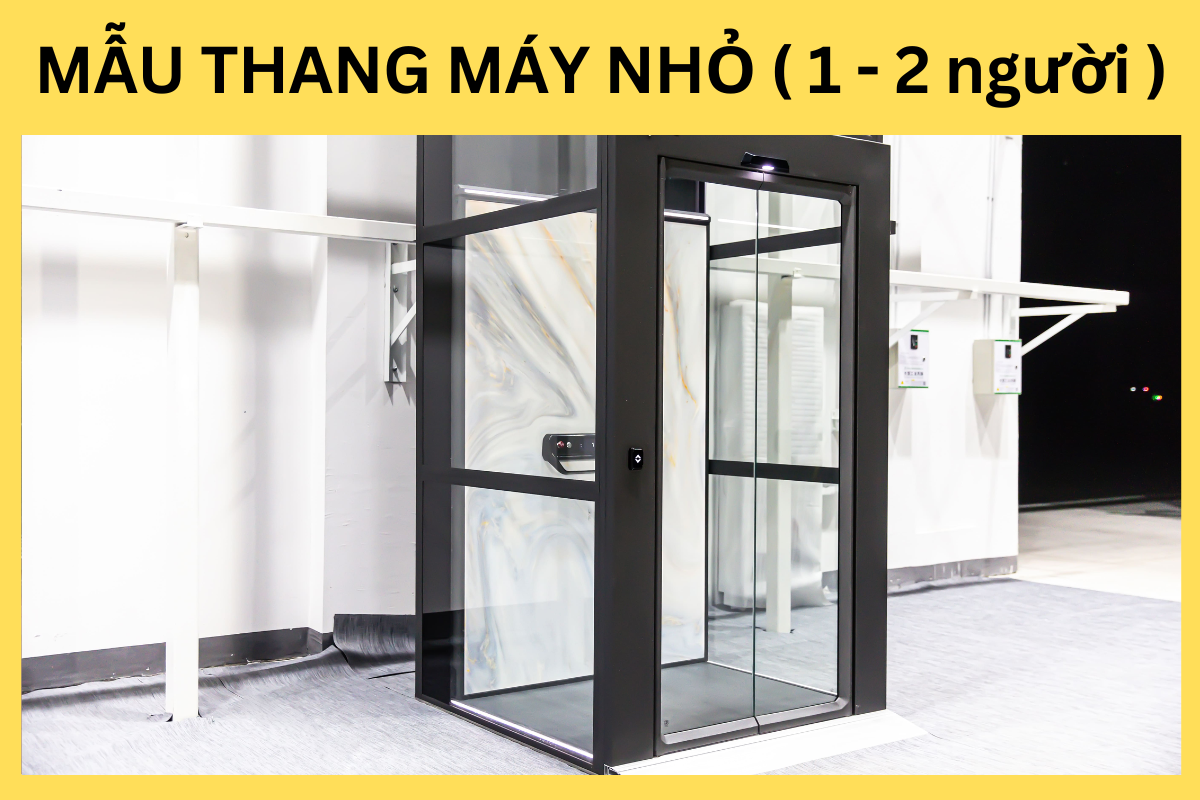
.png "elevator maintenance")
HOANG SA VIET ELEVATOR - THE LEADING PRESTIGIOUS ELEVATOR COMPANY IN VIETNAM
Consultant: 0942. 222. 075
Office Headquarters: 184/20 Le Dinh Can, Tan Tao Ward, Ho Chi Minh City Hanoi
Headquarters: No. 229, Van Tri Street, Van Noi, Dong Anh, Hanoi
Website : hoangsaviet.net Email: hungpham@hoangsaviet.com
PRICE SUCCESSFUL!
PRICE UNSUCCESSFUL!


Hotline 0707.025.789
hungpham@hoangsaviet.com






OFFICE ADDRESS
- Headquarters:184/20 Le Đinh Can Street,Tan Tao Ward, Binh Tan District , HCM City
- Ha Noi branch: Đ. Giap Hai, Khoan Te, Gia Lam, Ha Noi
- Hung Yen branch: EcoPark Urban Area, Hung Yen
- Phu Quoc branch: ĐT45, Duong Đong, Phu Quoc
- Long An branch: Viettruss Aluminum - Ben Luc, Long An
- Factory: E5/13 Thich Thien Hoa, Le Minh Xuan, Binh Chanh, HCM City
BANK ACCOUNT
- THANGMAYNIDEC COMPANY
- Account number: 134053669
- Bank: ACB
- Branch: Bình Trị Đông, Bình Tân

CONTACT INFO
- Hotline: 0707.025.789
- Email:hungpham@hoangsaviet.com
- Website: https://thangmaynidec.vn/en
- Tax Code: 0310779837
- Business Registration No.: 0310779837, issued by Ho Chi Minh City Department of Planning and Investment on 15/04/2011

© Copyright 2026. Copyright belong to THANGMAYNIDEC Elevator